These Mass Effect veterans are carrying the RPG's "principles" into a new game that sounds like Dispatch meets The X-Files
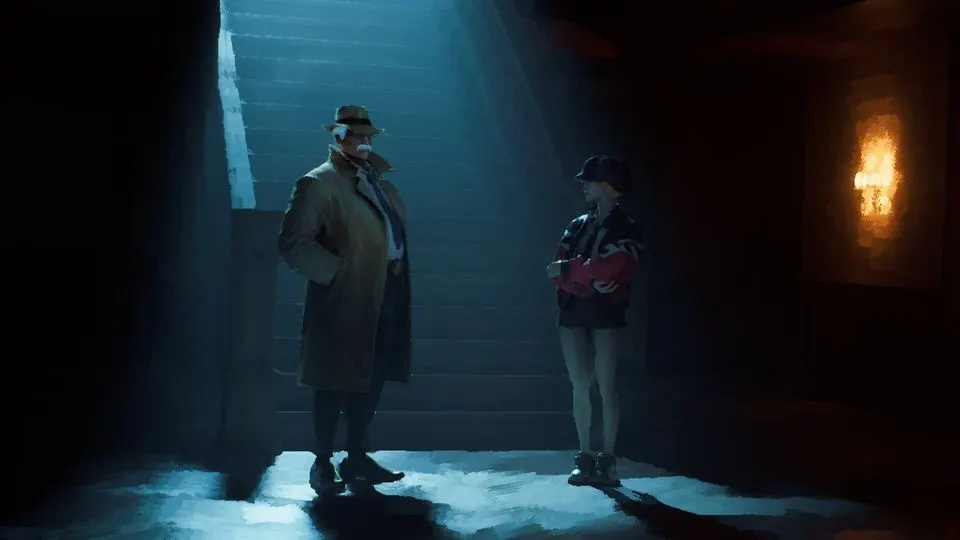
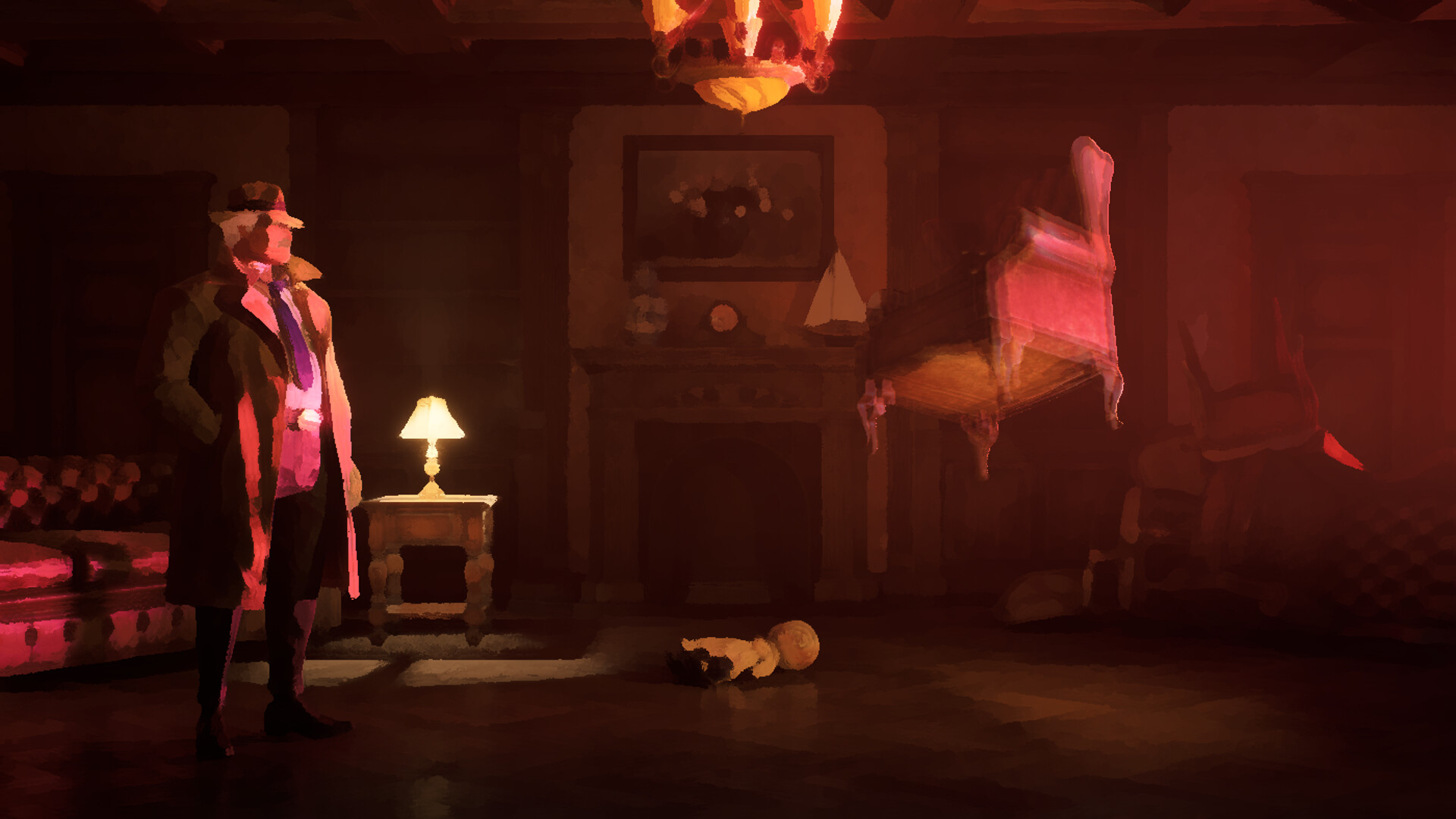
The Eventide is as far from the realms of Mass Effect or Dragon Age as it could be. The narrative-driven adventure is grounded in a more realistic setting, for one, with striking "neon noir" detective vibes riffing off The X Files' brand of paranormal investigation, all presented through a vivid watercolor art style. This contemporary Canadian metropolis is "not cyberpunk, but hearkening back to some of the '90s aesthetics," art director Francis Lacuna offers – so you definitely won't be playing an intergalactic war hero.
As the brainchild of three former BioWare developers, developer Studio Reset is living up to its name. After almost two decades working together on some of the best RPGs of all time, creative director Kaelin Lavallee teamed up with fellow Mass Effect and Dragon Age alums Francis Lacuna and Kris Schoneberg to leave big corp life and form their own studio. "I think we were all very eager to try something new," Lavallaee says, "to take these principles that we did learn [at BioWare] about characters and world building and crafting stories, and just apply them a bit differently."
Bright lights, big city
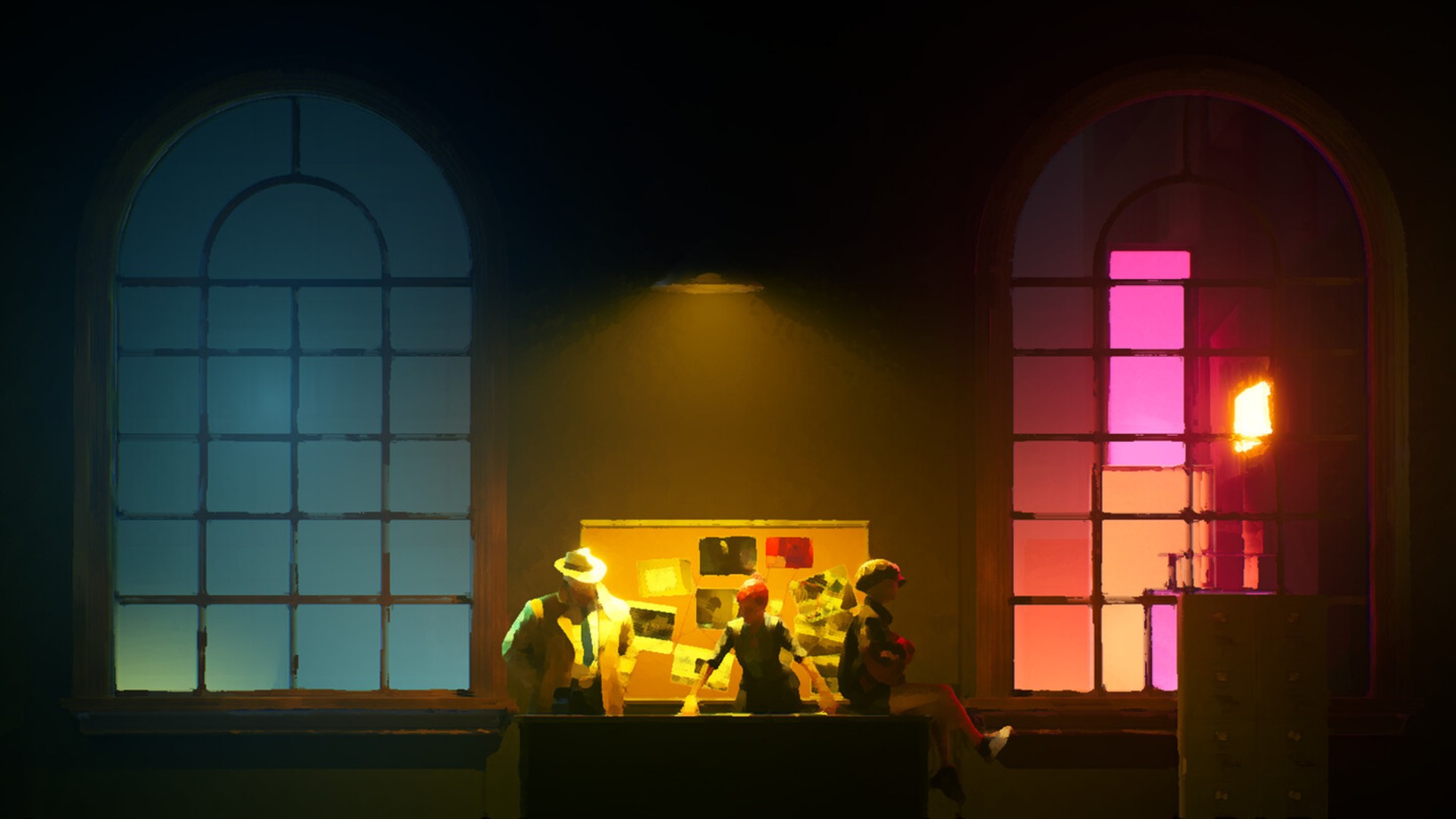
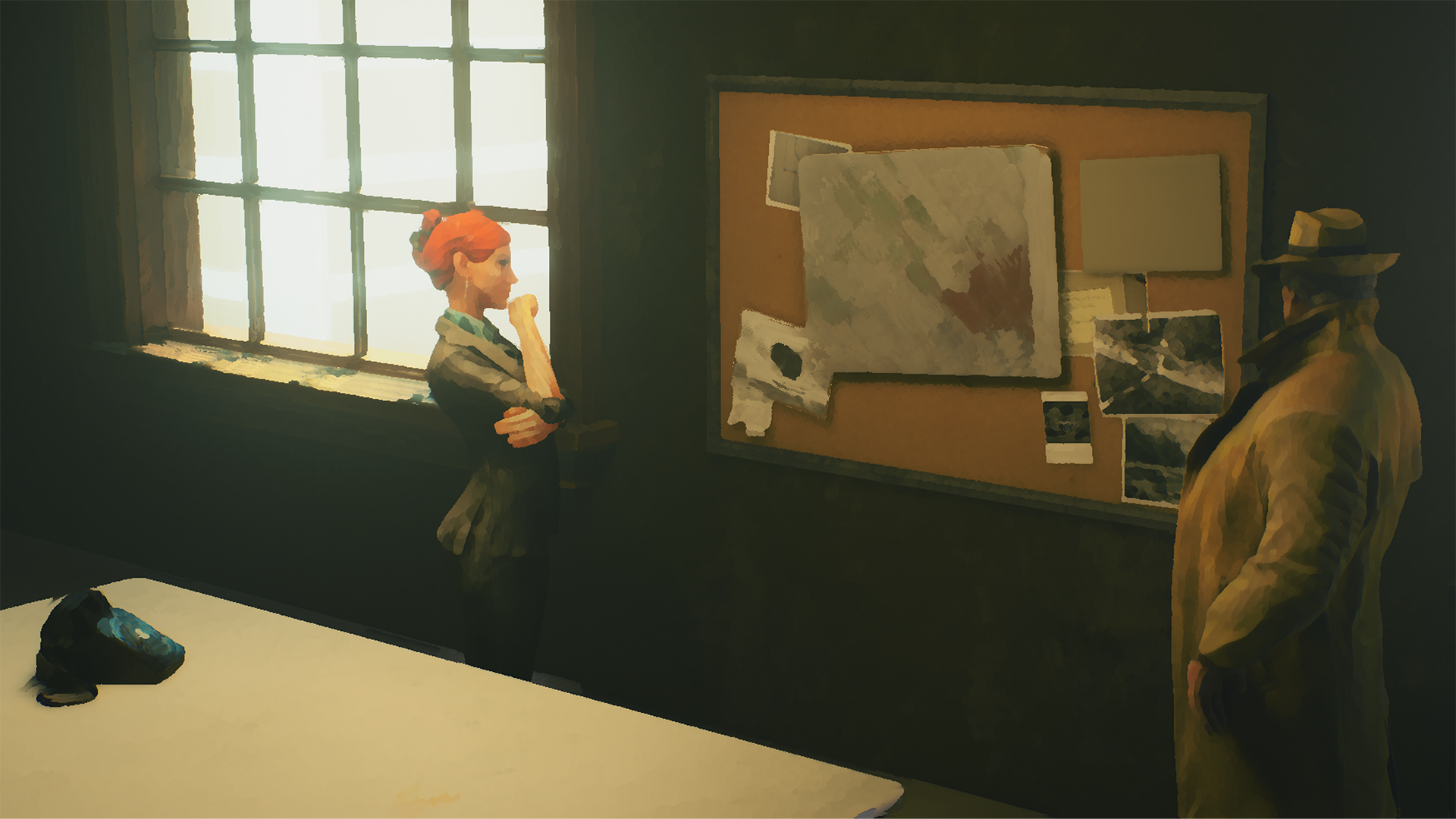
"A bit" sounds like an understatement. The Eventide puts you in charge of a team of paranormal detectives with an ever-growing pile of redacted cases to solve – and you yourself are not an actual character.
"You are facilitating their investigation," design director Schoneberg says, describing the player's role as the "unseen hand" tasked with not only selecting a case, but assigning the two most appropriate sleuths for the task. "That choice may become a little bit more difficult as the case list gets bigger," she hints. "Similarly, you start with a few agents, and they have different perspectives.
"When you look at a case and you look at your agents, you kind of do a little mental math," adds Schoneberg. "So you're making decisions about where you're going and who you're bringing. Then you go to that location with those agents, and at that point you do an investigation."
"How you collect the evidence is just as important as the evidence you collect," Lavallee says when I ask about how missions pan out. With interpersonal storytelling and party dynamics being such a focus in The Eventide, right in the veteran BioWare dev team's RPG wheelhouse, my curiosity is piqued. How do we know which duos to assign to a given case?
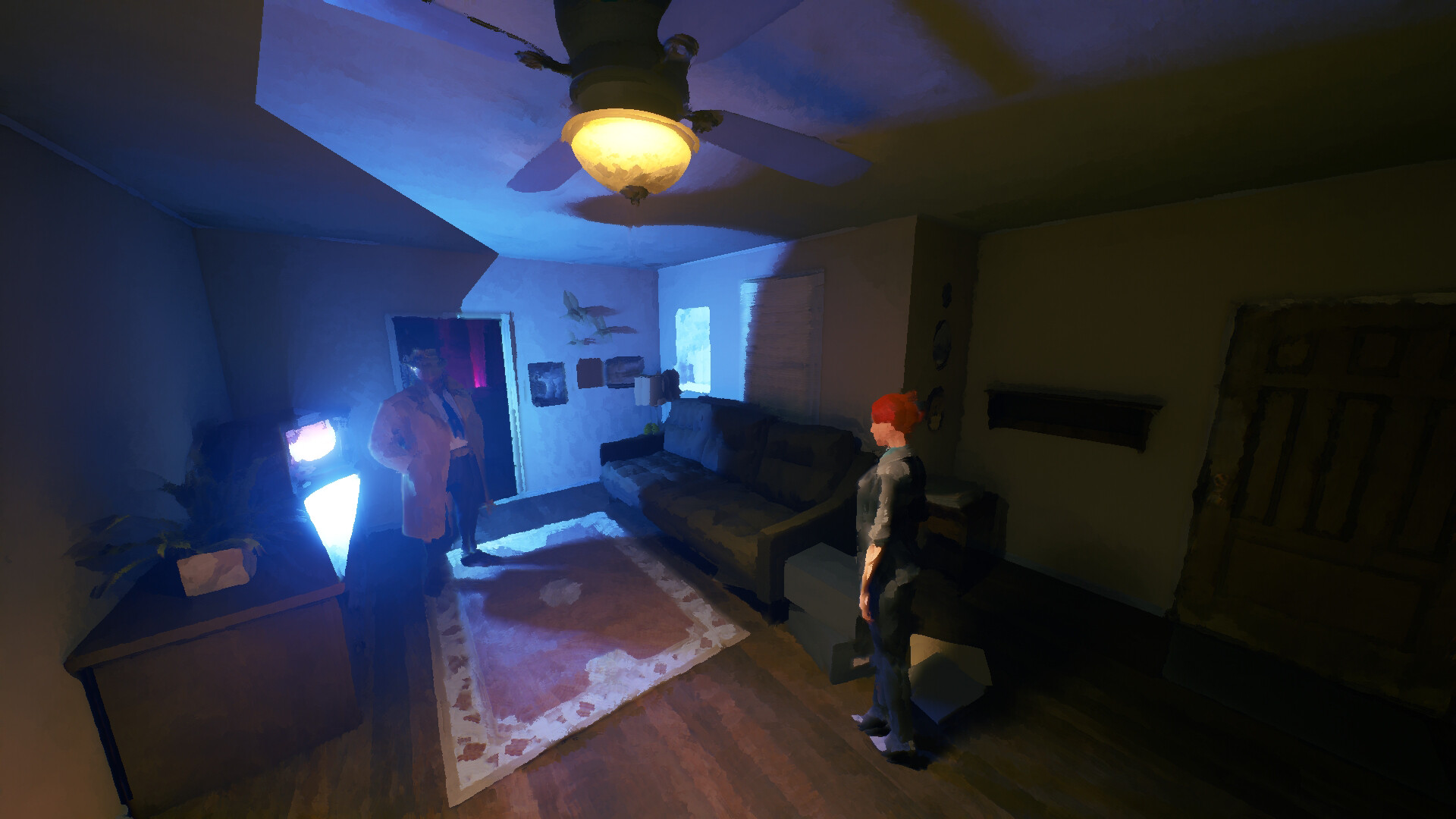
"You choose an agent based on their background and their expertise, depending on what you want to kind of uncover on a case," Lavallee says. "We don't have stats in the traditional RPG sense. Every character is quite unique in terms of their abilities and what they are able to see. So you can almost think of them like classes, but I prefer to think of them as lenses on the supernatural. You know, how does the supernatural interact with technology? How does it interact spiritually in cultures? How does it interact scientifically, organically?"
The idea of skeptics versus believers is imperative here, too, linking right back to the team being inspired by Mulder and Scully's dynamic in The X Files.
"I think it all ties back to perspective," says Lavallee. "So, in a BioWare game, each of the companions had their own perspective on the world and what should or should not happen." He references how different characters approve or dislike certain actions or dialogue choices, as well as the player's alignment as either Paragon or Renegade in Mass Effect.
"What we were trying to do with this is take that one step further and apply their perspectives to the gameplay itself. So you get both the character's narrative voice coming through in what they want to see and how they see it, their opinions on the world and on the supernatural, but you also get to see it through their eyes."
Or, you can choose the pair of detectives you simply like the most. "That's the thing that I loved about BioWare games," reflects Schoneberg. "When you'd bring those two characters with you, and all of a sudden they'd start having an argument or something." Picture the autonomous Garrus/Tali romance in Mass Effect 3, which happens if the player doesn't romance either character – anecdotally, something Schoneberg herself "had no idea" about while working on the RPG as a level designer.
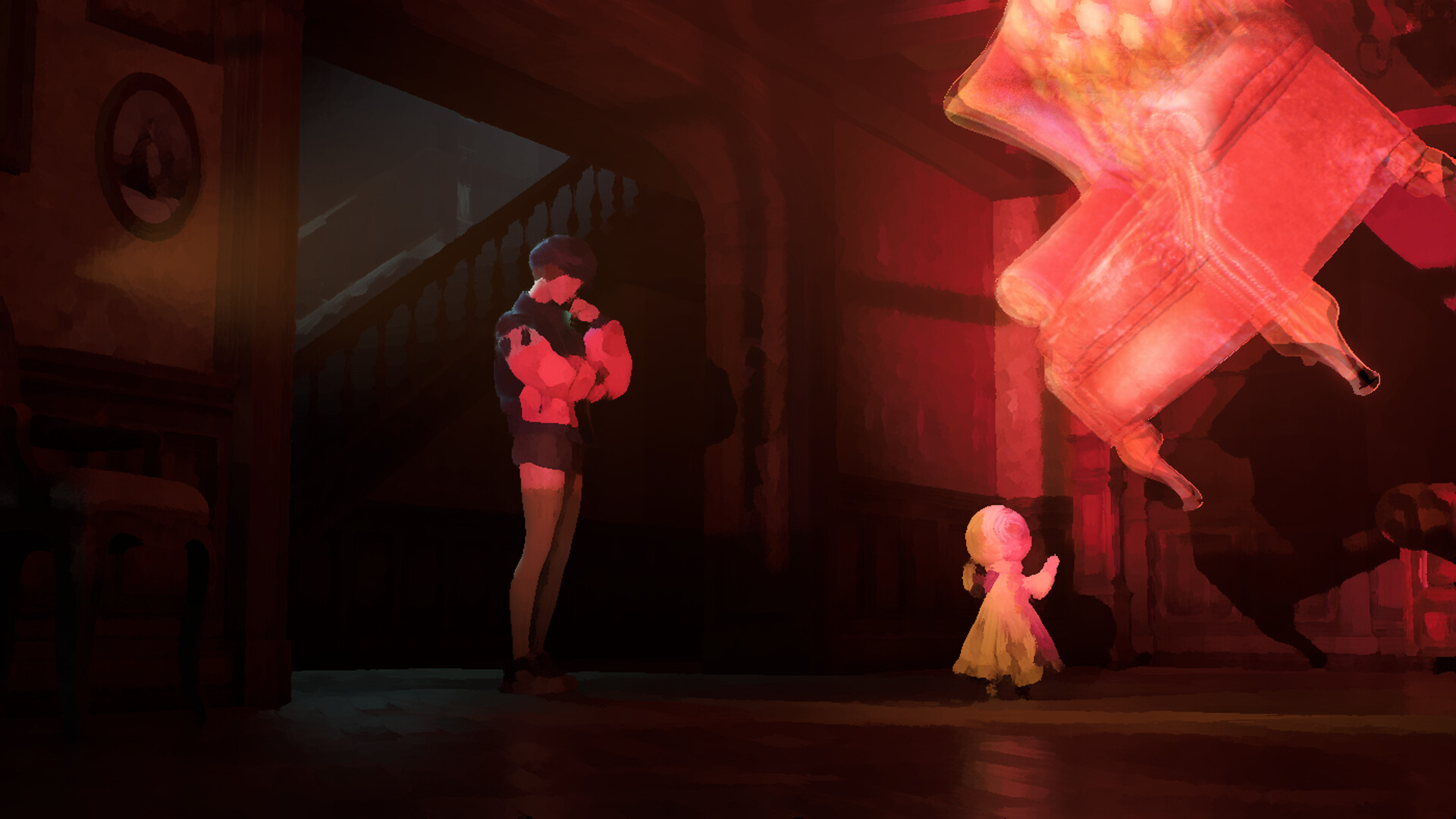
But there's no player romance in The Eventide, Lavallee admits. "You're also not necessarily playing matchmaker. Maybe something happens organically. Who knows?"
The promise of branching narratives for coupled agents excites me. Romantic or not, The Eventide puts hands-off character development and emergent storytelling front and center. "You don't get the 'approves, disapproves' [character affinity tracker]. You see it live," Schoneberg says.
As a result, each detective's background, personal arc, and who they're paired up to work cases with becomes integral to how the story plays out. "It's very divergent. For me, I think what makes a compelling mystery is the convergence of all of these possibilities. So there is an ending. How you get there is really up to the player," explains Lavallee. "And then, as things start clicking together, you get closer and closer to the truth of what happened. And I think it's that space where the most fun is had."
Team rebuilding
The assumption there is that you don't want to get your hands dirty anymore.
Kris Schoneberg
The Eventide is the direct result of the trio's "shared beliefs," according to Lavallee, in terms of "not just what we want to make, but how we could make it and how we would want to if we ever got the opportunity."
It might sound like a risky pivot, but with industry-wide studio downsizing and layoffs sweeping some of the biggest game developers globally, creating indie games sounds comparatively safer for job security. "It used to be that AAA was sort of a safe harbor. You could have a nice salaried job and create something special, and now, that safety net is kind of gone," Lavallee says. The opportunity to make such a quirky, unique game like The Eventide could only present itself to an independent studio, and who better to helm it than Schoneberg, Lacuna, and himself?
"The opportunity to work with developers and people I trust and respect to create a good game experience – that's underappreciated in the world of companies building products to sell," Lacuna reflects. "Taking a risk to make a heartfelt, focused, passionate game – that is the most interesting thing to me [about going independent], and that drew me to work with these two."
Game development has become "a risky business", says Schoneberg. "A way of de-risking it is by working with people that you trust and have worked with before. That's more valuable than anything else."
Studio Reset's independence gives the devs a chance to get back into their craft at a grassroots level. "The assumption there is that you don't want to get your hands dirty anymore. You don't want to get in the engine. You don't actually want to go make something," Schoneberg continues.
"We want to make something, and we're willing to open up the editor, go find a YouTube video, and learn how to do something 20 years into a career. We are willing to do it, and so many people aren't."
The Eventide is one of many upcoming PC games you need to have on your radar in 2026 and beyond.