Insomniac had to ditch Spider-Man's open-world for Marvel's Wolverine because Logan is "not somebody who has a friendly neighborhood"
After the announcement of Marvel's Wolverine, I wondered how much had changed from Insomniac's excellent Spider-Man games. The best part of those previous titles was swinging down digital New York streets, exploring the open world at my own pace. My hands-on time with Marvel's Wolverine put those fears to rest. While the foundations built for those Spider-Man games are clearly present here, the action takes a bloody new form that helps Logan's story sing.
Big Preview
This month's Marvel's Wolverine Big Preview is the best there is at what it does, as we sink our claws deep into Insomniac's latest superhero adventure with hands-on impressions, dev interviews, and more ahead of the game's full launch.
"Central to the Wolverine player fantasy is claw combat, in much the same way that web swinging is the central element of Spider-Man player fantasy," creative director Marcus Smith says. "So we developed a lot of systems for our combat that supply the fast, fluid, and lethal combat system that you would expect from Wolverine."
So Insomniac has traded a web-swinging open-world for a mostly linear roller coaster that takes Wolverine on a globe-trotting adventure. It's a game design decision, yes, but one built on the idea of being true to Logan's character – something the developers repeatedly emphasized to me in my interviews with them.
Not-so-friendly neighborhood
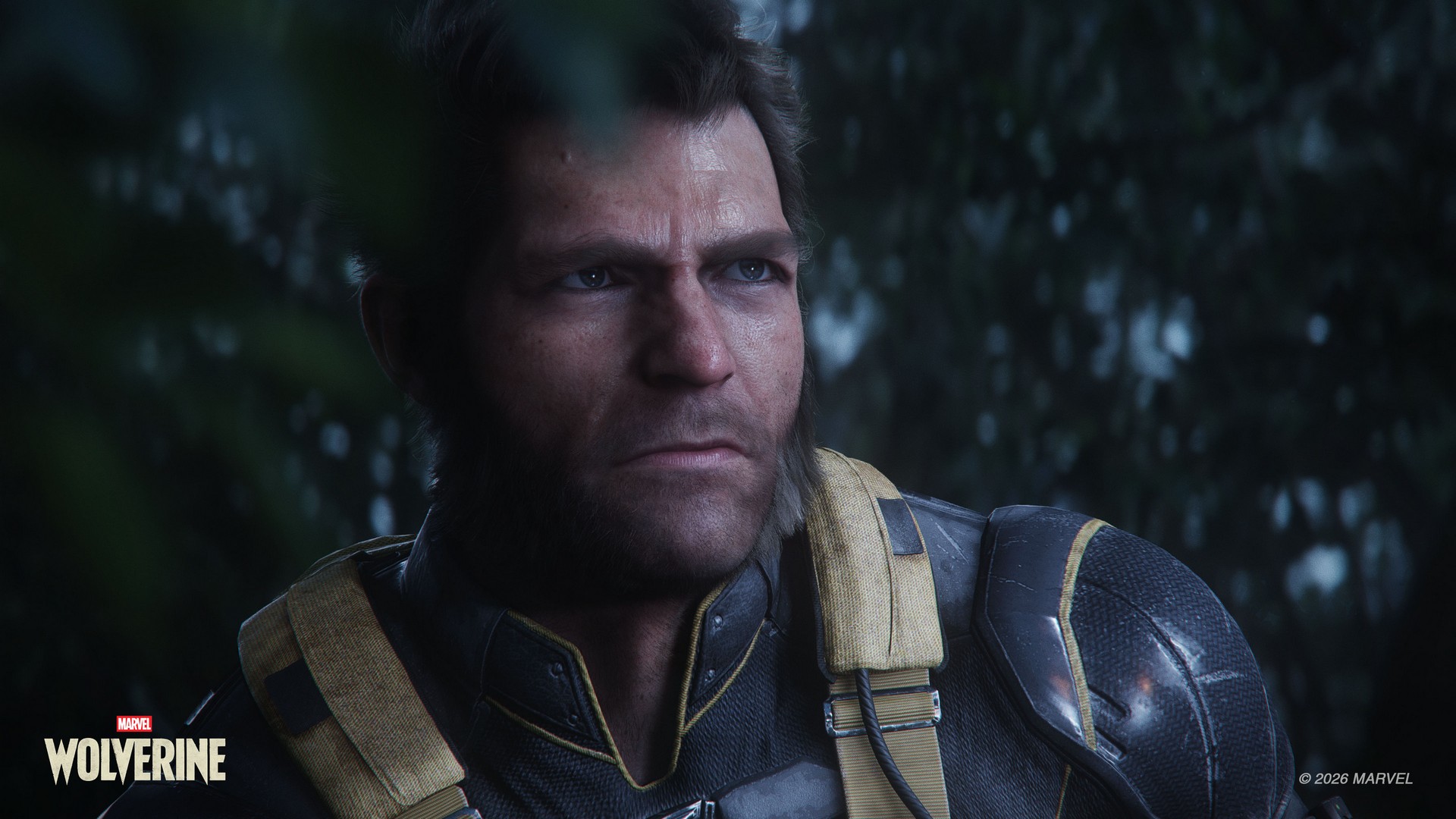
"We're telling a Logan story," senior project director Jess Reiner-Reed says when I ask about the decision to ditch the open world. "He's so different from Spider-Man in so many different ways. One of the ways is that Logan is not somebody who stays in the same spot for a while. He's not somebody who has a friendly neighborhood. He's not settling down in one location. He's a loner guy in a lot of ways."
"It took us a while to say 'traversal is not an important part of Wolverine as a character,'" director of technology Mike Fitzgerald says. "As we talk about those key things, it's about his claws, his healing factor, his rage and anger, his past and dealing with that. These are some of the core things. The game doesn't have to be everything and have everything. At the same time, you don't want to be frustrating or slow."
"It took us a while to say 'traversal is not an important part of Wolverine as a character'"
Mike Fitzgerald, director of technology
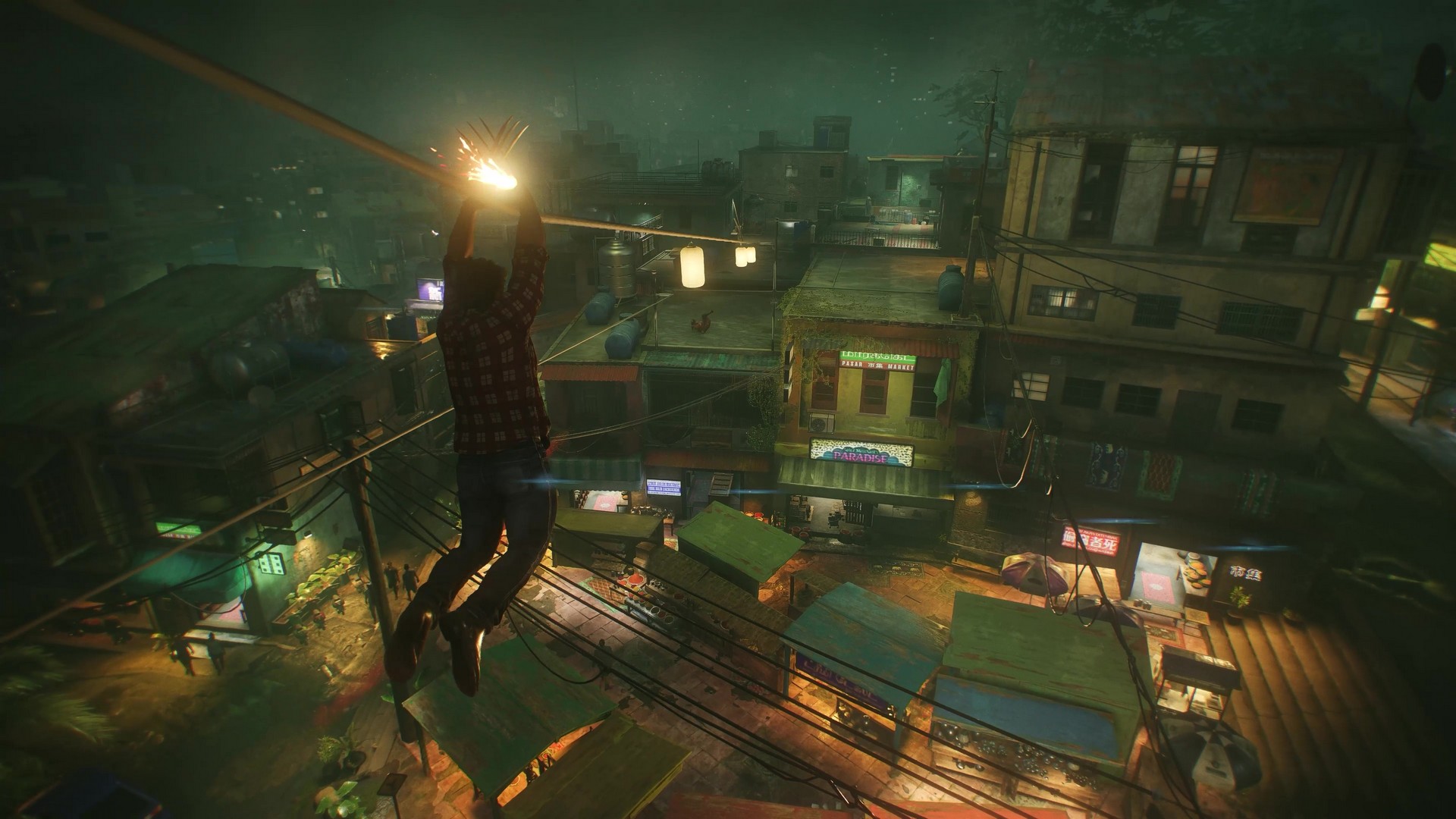
While Wolverine isn't about movement, I never found the game to be slow. In fact, in some open-ended areas, I was astounded by how fast I could move. There's a part early in the game where you have to take out some anti-mutant alarms spread out across a bunch of half-constructed buildings, and Wolverine's ability to get around, claw his way up walls, and leap between rooftops is plenty of fun in its own right.
"Some of it's subtle, though, in fun ways," Fitzgerald tells me. "Like, he can climb trees. I mean, he's a wolverine with claws that you go up. But if you walk out on the branch, the branch bends, because he's a very heavy guy. That's a whole system we had to build [...] But Spider-Man walks out on stuff and doesn't affect those things at all. He's very light and nimble. As soon as we put it so the branch was bending under the weight and the leaves were all moving the right way, it's like, 'Oh yeah, this feels like this character and not that other character,' even because of that subtle bit."
Lone wolverine
Even Logan's personality provided its own challenges to the team. As it turns out, it's a lot easier to depict somebody like Peter Parker as a character than it is to make Logan's brooding solitude compelling. "Wolverine's a very internal character," Fitzgerald explains. "Spider-Man is an external character. He quips. He talks. He says what he thinks. Logan [is] quiet, and needs to express with his face and his eyes, and interact with characters. Oftentimes, saying one thing but feeling another. How do we express that through the game? It took a lot of work and effort."
These sorts of considerations permeated the game's development from top to bottom, as the devs repeatedly emphasized in our interview. "For making Wolverine," Reiner-Reed says, "we were constantly asking the question, like, 'Okay, what would Logan do here?' Doesn't matter what another character would do. 'What would our guy do? How would he react to this situation?' I think development-wise, that was what we were always focused on."
It's paid off, at least in the two hours I've played so far. Building Wolverine on the foundation of Spider-Man makes sense, since there's a core of biff-boom-bang action at the heart of every superhero adventure. But Insomniac has smartly torn down and rethought just about every element in a way that makes sense for this new hero.
As we await the launch of Marvel's Wolverine, here are the other upcoming PS5 game you need to know about.