The PSP is the ultimate physical media EDC in 2026, change my mind
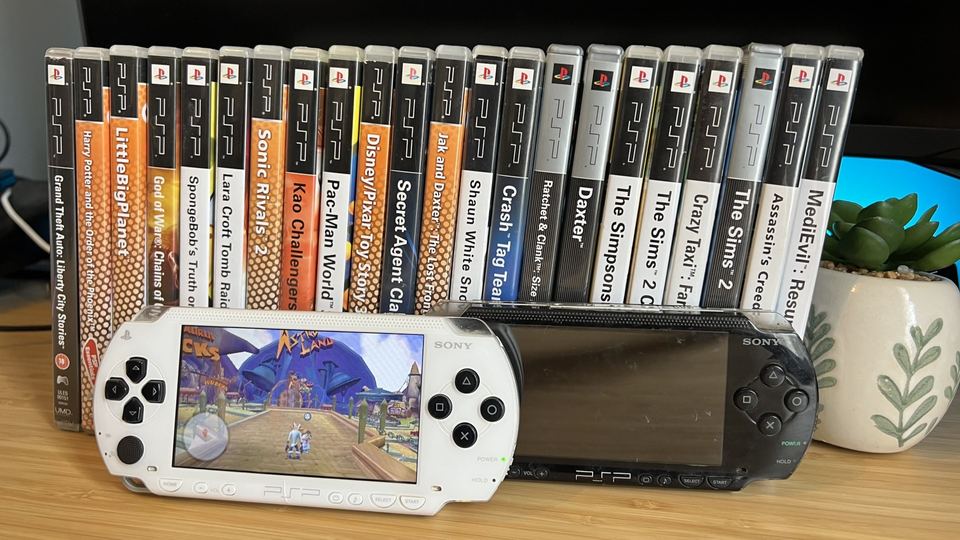
I don't normally consider myself a trend hopper, but when the physical media resurgence started popping off I knew I was in for a treat. With new tech surging in price, streaming brands getting greedier, and pride in ownership at an all-time low it was obvious something was about to give and I'm so glad it has. I do worry, though.
With all this rushing towards CD players, Blu-ray rippers, and retro handhelds, how many cheap plastic devices are going to make it into our carts, and eventually into landfill once the trend dies down? What if there was an ahead-of-its-time device that could scratch that itch for physical ownership without requiring the Temu factories to rev their engines? What if we could, rather than shelling out for the latest nostalgia tat, save older devices from their own e-waste fate?
Enter my one true love, the PSP.
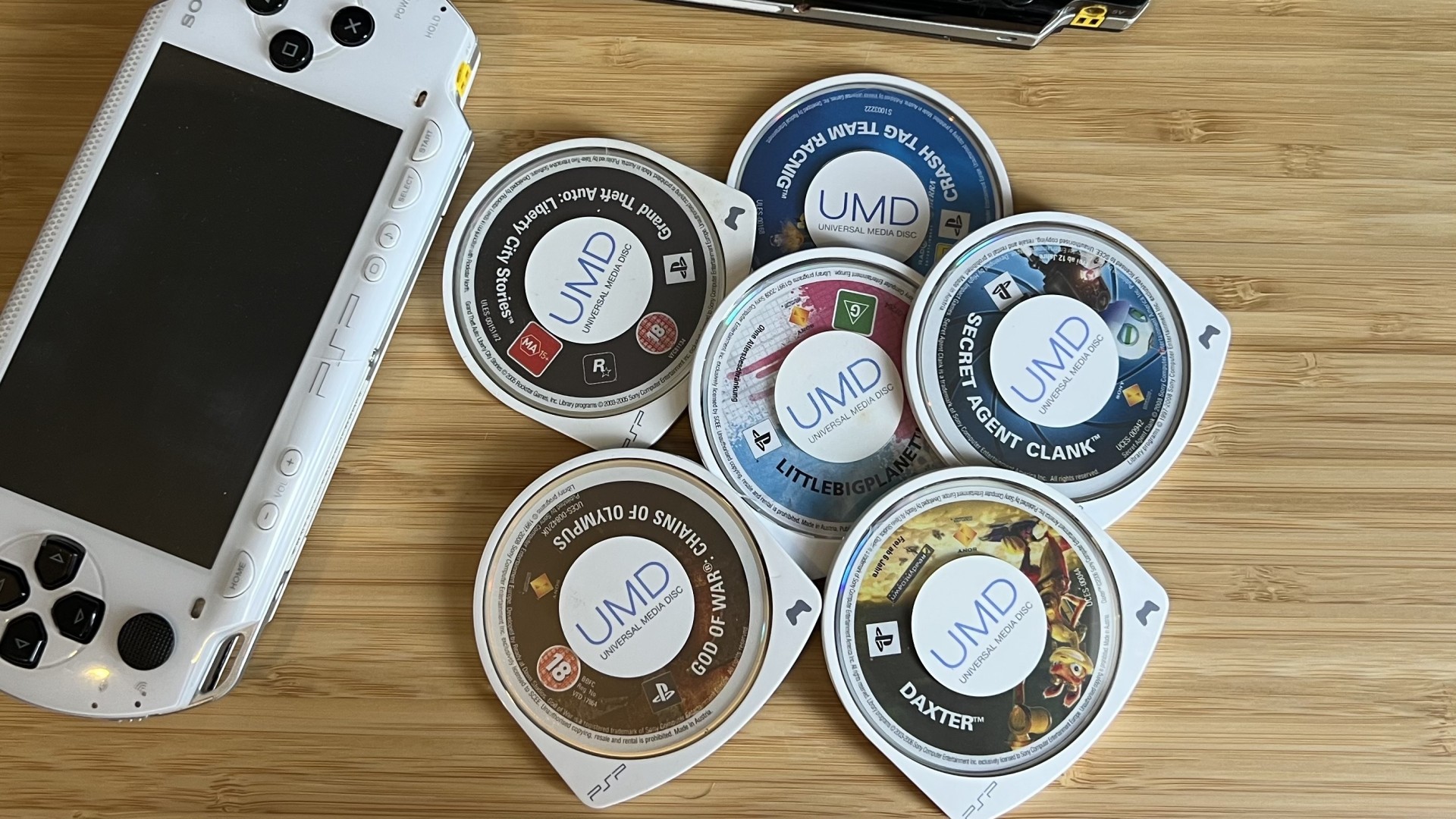
The PlayStation Portable, first debuted in 2005 (in NA and EU), had its sights set on being more than a gaming handheld. At launch it not only promised performance closer to that of a PS2 than a PS1, but it heralded in one of Sony's most beautiful designs; the UMD. A shining beacon of creativity that faded to ash far too quickly.
The fact that this is a handheld console running disc games never quite gets the flowers it deserves in my opinion, and it's partly Sony's optimism in its format that keeps the PSP close to my heart. However, that UMD meant the PSP could stand as a portable gaming machine and media center all from your pocket. Ironically, now that Sony has become enemy number one in the fight against digitalisation, it's these little discs that are keeping that physical media itch scratched for me.
They're usually pretty cheap tooPSP games can start at just a couple bucks if you're after some of the more widely printed ones. You'll find them cheaper second-hand (or in job-lots) at via eBay, but GameStop still stocks some classics at a higher markup if you don't want to go down the market route.
The UMD was a product of its time, Sony could never have expected to keep its games limited to the 1.8GB at hand. That doesn't mean it's not still impressive today, though. While it only really lasted about four years (after 2009, Sony was more focused on distribution via is PS Store, as evidenced by the all-digital PSP Go), current estimates put about 1,000 - 1,500 movies available on UMD, and nearly 2,000 games.
It gets even better, though.
Remember when I said the PSP had its sights set on being more than a gaming handheld? It really wanted to be a smartphone, well before ole Steve got on stage in 2007.
Thumbing through 'PSP: The Official Guide Book' on Internet Archive provides a clear look at just how Sony wanted the PSP to position itself in your pocket. The mag notes that "in November 2003, when Sony unveiled its prototype PSP to western journalists, mobile telephone functionality was mentioned among the list of possible features." (25). The spread on future applications speculates around then-rumored hardware upgrades, ranging from a USB keyboard for productivity to the then-"prototype" GPS add-on that would later become the Sony PSP-290 (still kicking around on eBay).
Unfortunately, the PSP never received its call and message functionality, though it could still tick a smartphone's other boxes; web browsing, mp3 playback, movies, photos (via the Go!Cam attachment), and of course gaming. The difference, even back then, was that it still put that physical media ownership at the center of its package. And it could well be the last device to truly be able to claim that.
So where does it stand today? Pretty tall if you ask me.
No, you won't get the latest Blu-ray releases on here (though there was a time when Sony wanted to package PSP-friendly versions of movies in with its Blu-Rays- as per Game Developer). You'll also need to rip your CDs before you can build up a song library you actually own.
But the PSP fights hard to keep your entertainment in your control in 2026. What other device can hold an entire (albeit in the case of movies and games, dated) media library in your pocket. And actually in your pocket, by the way - none of this Steam Deck bulk. It's all the physical media gadgets we've been yearning for rolled into one, and it pulls off that seemingly impossible (by 2005's standards) feat with grace and style.
How much should you pay for a PSP in 2026?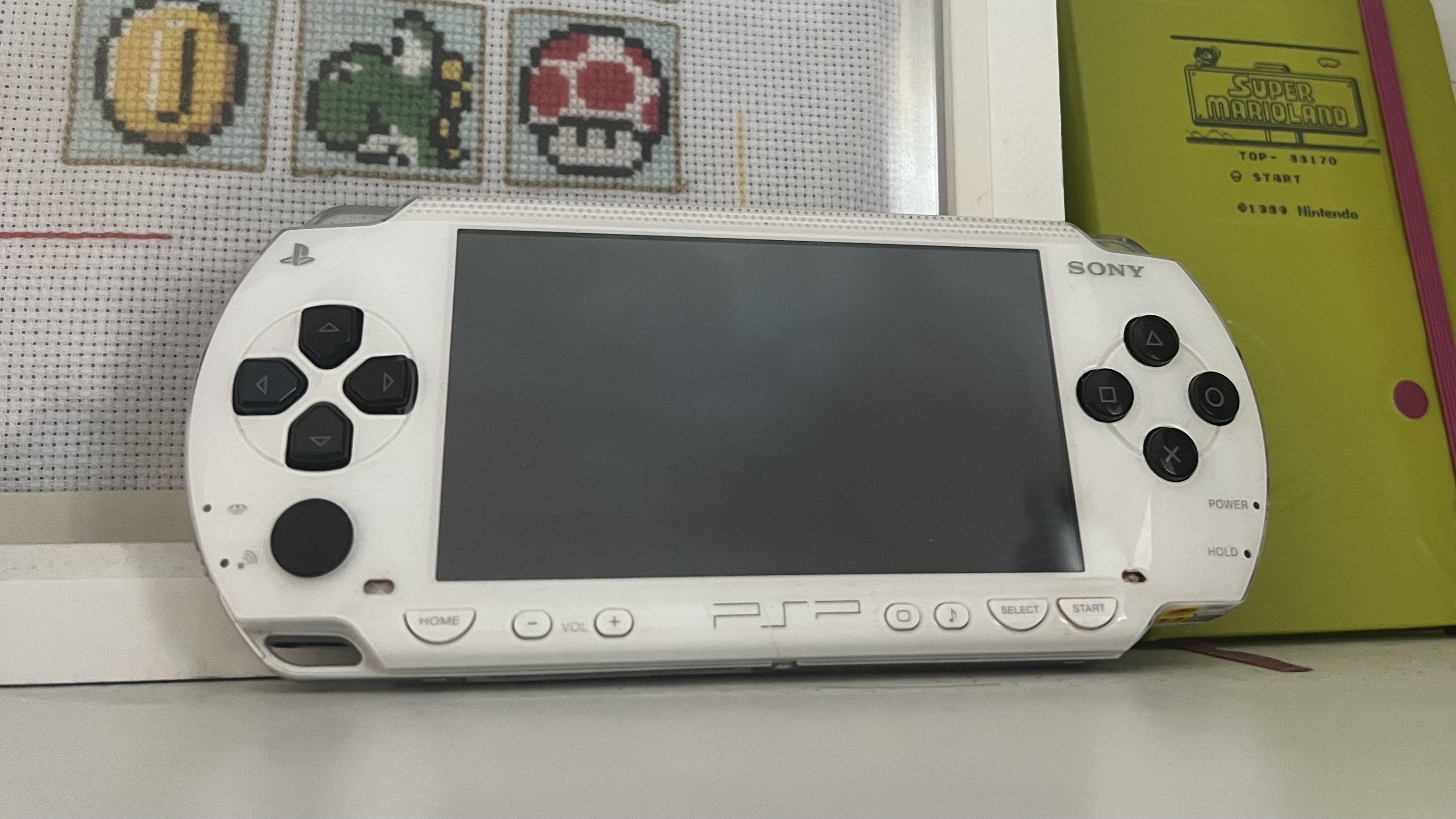
In today's market, I would aim for about $60-$80 / £40-£60 to get a working PSP1000 with some minor cosmetic scuffs via sites like eBay and Vinted. You may have to pick up a spare charger, battery, or memory card at that price, but moving closer to $100 you should be getting those by default. Go cheaper and you can easily find replacement parts at AliExpress.
If you're keen to join my PSP Appreciation club, you've only really got one option. These days, you'll find working PSP 1000s on sites like eBay and Vinted for between $50 and $120 (I generally see working devices for £40 - £100 in the UK), depending on their level of wear and how many accessories are included.
The real fun, though, starts under that 'working' price threshold. I've been hiding my second biggest reason for loving the PSP. It's a tinkerer's gateway.
The thing is remarkably easy to tear down and diagnose. It's got relatively few parts all told, and they generally hold up pretty well. Not only that, but there's a massive market for third party replacements over on AliExpress, and I would say 80% of PSPs I've polished up over the last few years have been fixable without a solder iron.
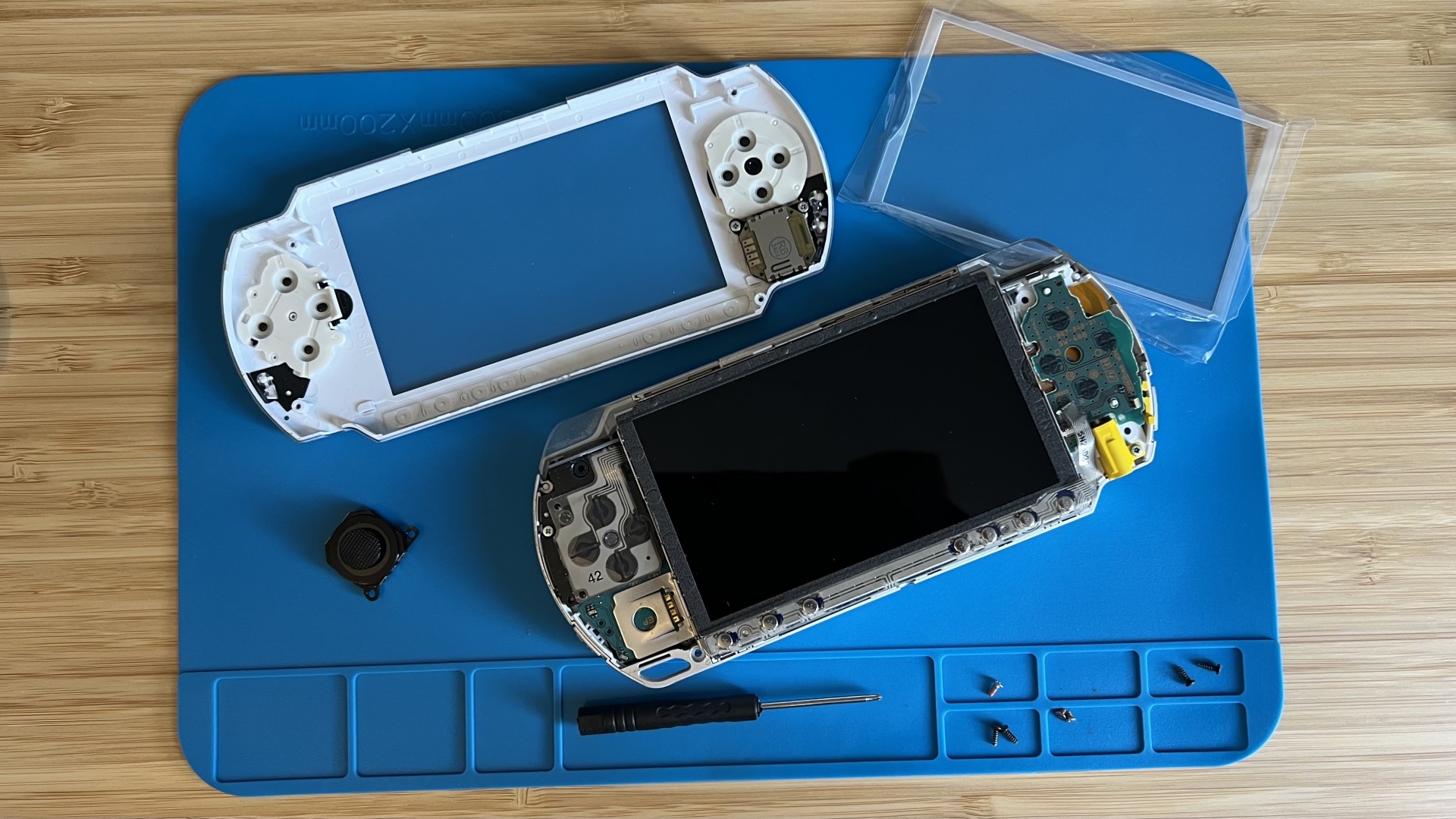
See, these things were popular and they were portable. They lived in the pockets of 00s denizens, so most of them are cracked and pretty filthy. A broken PSP for $30/£30 is pretty easy to find and, in my experience, most of them just need a good clean (obviously read descriptions carefully and be prepared to lose on this gamble if you're not experienced with more complicated fixes). The first PSP I rescued was sold at a discount due to dead face buttons and a wandering thumbstick. A new nubbin and some isopropyl alcohol later it's up and running like new.
Avoiding the inevitable rush of cheap tat when factories look to capitalize on the physical media trend while saving seemingly 'broken' tech from landfill? Count me in.
I'll go down swinging for the PSP for years to come, but if your EDC does it better, change my mind in the comments below.
We're also rounding up all the best retro controllers for other systems, or if you're looking to scratch a more modern physical media itch, Rosalie's tips and tricks for collecting Blu-Rays is also available.