Good quality retro cables matter, but decent wires now cost more than I used to pay for consoles
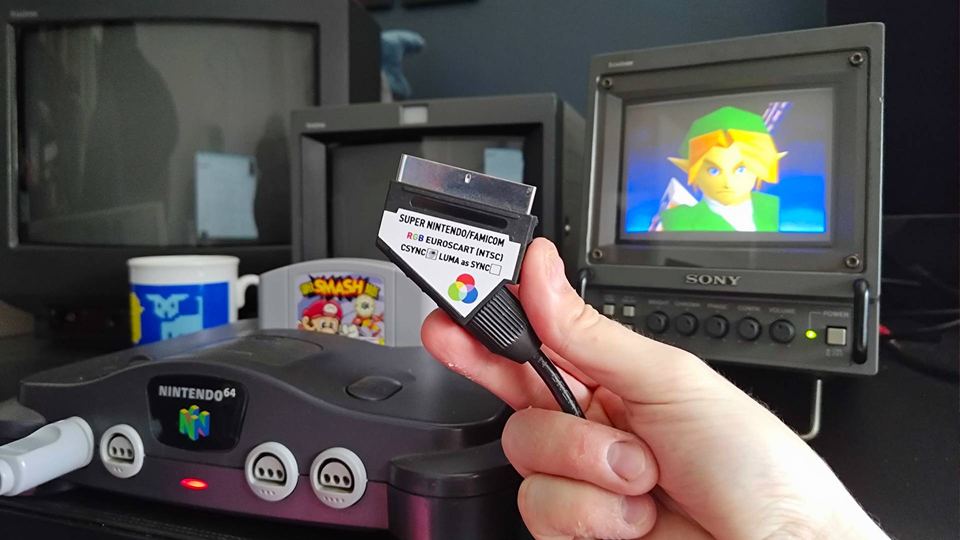
It might feel like retro cables should be the cheapest part of a console setup, but oh boy, that's no longer the case. That's not to say you won't still see cheap wires at the usual online storefronts, but I'm finding that many of the once serviceable composite and SCART options will produce poor visuals at best and, in the worst-case scenarios, break your pricey old consoles.
If you're trying to figure out how to connect retro consoles to your modern TV or monitor, you've probably already looked at a few cables for your chosen system. While that will lead many of you to buy all-in-one HDMI adapters that connect straight to old proprietary ports once used by Nintendo, Sega, Sony, or a number of other brands, standalone upscalers require wires that conform to a traditional input standard, and low-quality options can cause a ruckus.
I've picked up what probably equates to a metric ton of retro console cables over the years, ranging from high-quality enthusiast-grade wires to cheapie Amazon and eBay cords that get the job done. For the past few years, though, I've found myself stuck between having to pay $40 dollars for the right quality, or around $10 for something that instantly breaks, and I feel like the scene is screaming for a middle-ground option.
Some retro cables are a borderline scam
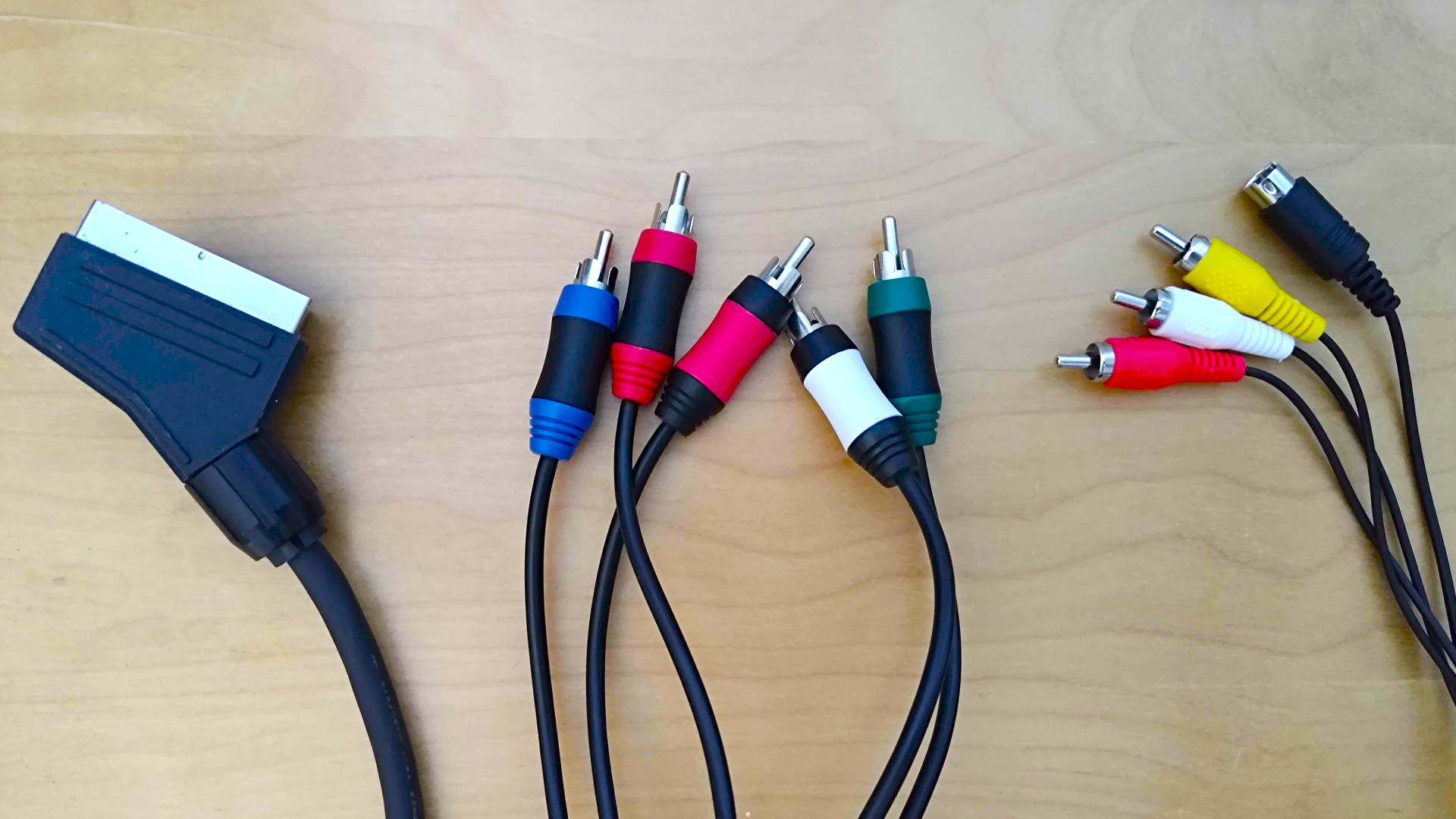
Pick a retro console, head to Amazon, search for a cable, and you'll normally be presented with plenty of options. That's the exact course many of you will take upon fetching your old system from the attic or buying one second-hand, but quality issues could put you through a world of setup pain before you realize your setup isn't the problem.
I'll give you an anecdotal example, as while I have literal boxes of wires, I have recently tried to get away with a "cheap" Amazon cable for specific testing. A few months ago, I realized I'd loaned a friend my Sega Dreamcast SCART cable while trying to hook up to one of my CRT TVs. I only had a VGA box to hand, and the specific project I was working on required an actual SCART cable, which led me to order one using Amazon Prime.
Upon ripping it from its cardboard prison that featured zero other packaging, I swiftly realized something wasn't quite right with the RGB SCART cable I'd paid £8 for (roughly $10). For starters, it weighed next to nothing, and the plastic on both the console connector and TV side felt almost pliable when it should be pretty rigid. That wasn't even that big an issue, compared to the fact that the end that connects to the console wasn't remotely made to the right specifications, meaning while it looked vaguely right, the shielding and plastic sheath were completely the wrong size.
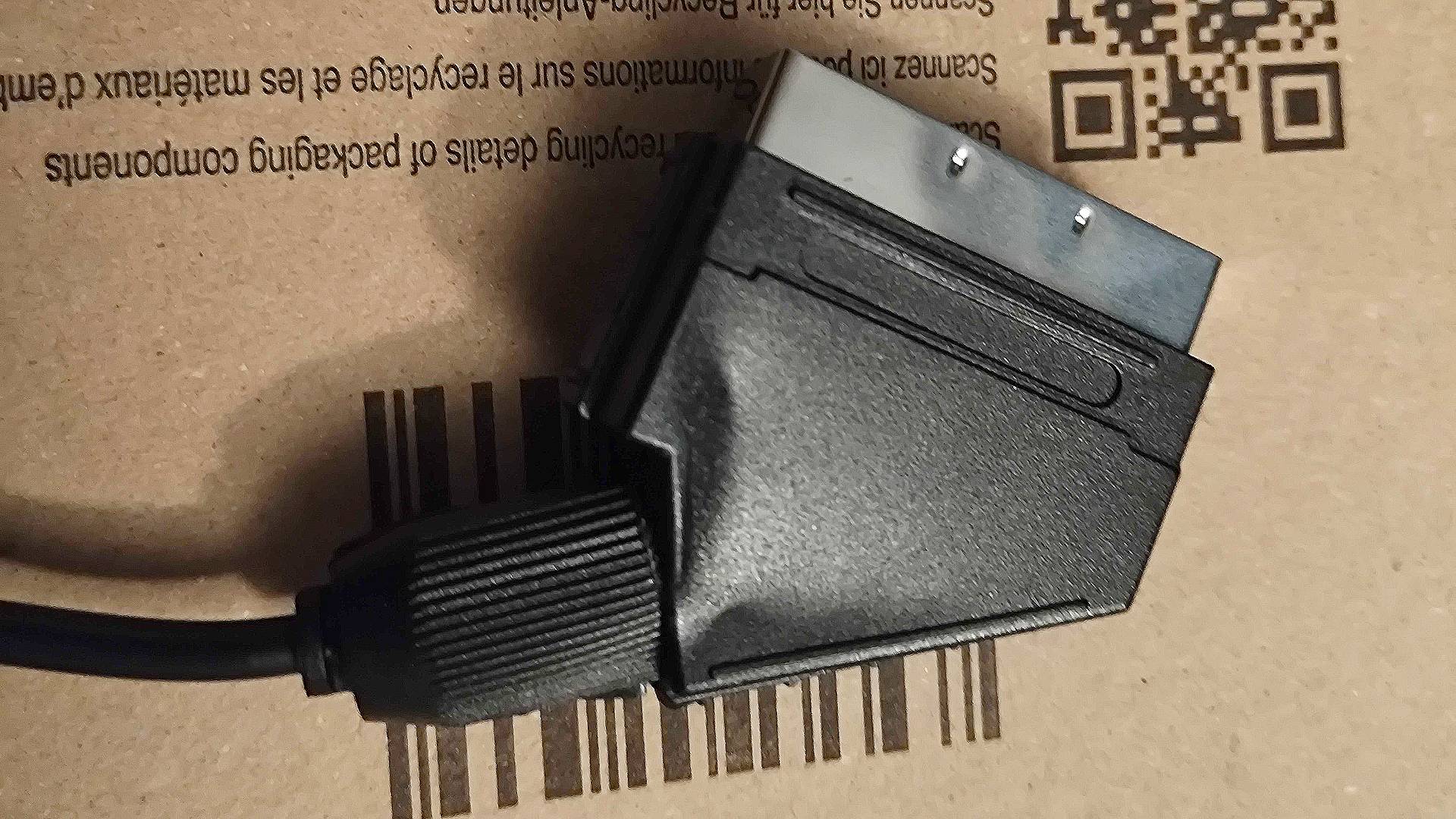
The part that worries me is the fact that it would potentially fit with a bit of force, but I can guarantee the connector would have damaged my Sega Dreamcast. Out of sheer curiosity, I decided to modify the end so that it could fit without wrecking my old dreamy pal, and surprise surprise, found that the cable wasn't outputting any signal to my TV.
Out of disbelief, I then split down the cable to see if there was a break in the wire, and found that half the SCART pins weren't soldered to their respective connectors. Simply put, the cord was never going to work, and that in itself could lead unwitting players to blame their otherwise functional Dreamcast.
I should note this is a worst-case scenario, one that features multiple red flags and could lead to your retro console being drenched in tears. Annoyingly, some users are leaving four-star reviews on that specific listing despite mentioning issues like only blue visuals showing up on screen (meaning red and green aren't active), meaning it's got a perceivable average 3-star score since there are only six entries.
This isn't a sign to avoid every no-name cable out there, as there are no doubt wires that work. Instead, I need you to be extra vigilant and assess whether a cheaper option is a safe bet, or if you should try and go with a brand name like Hyperkin or Retro-Bit. The issue is there's no guarantee either will make the exact cable you seek, and that's certainly the case when it comes to Dreamcast RGB SCART cables.
Even the cables that "work" can cause a retro rigmarole
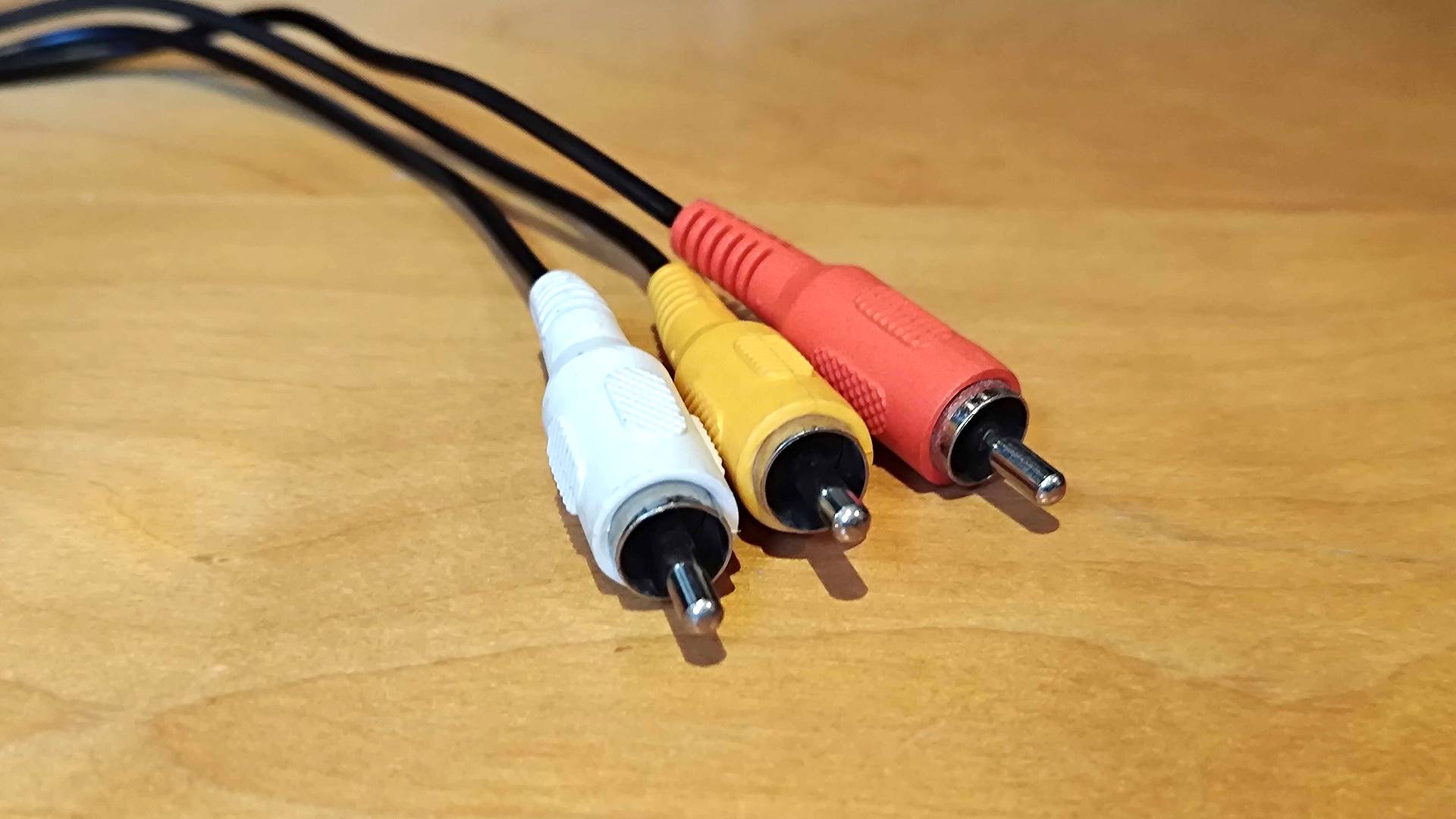
I don't want to get too anecdotal, but I have also encountered a situation where a cheap retro cable "works", but causes all sorts of visual issues. The specific example I have in mind applies to Nintendo composite cables I once picked up when running a retro gaming event, and while poor quality levels didn't quite render them useless, the results were pretty horrible.
The main issue with poor-quality retro gaming cables is shielding, as analogue signals are extremely susceptible to interference. Keep in mind that if you're using a composite RCA phono cable, you've got video travelling through the yellow connector wires alongside left and right audio on the red and white channels in adjacent wiring, and when unsheilded, those signals can leak into one another.
As a result, you will then experience everything from buzzing audio to distorted lines and shaky visuals. If you use a low-quality S-Video cable on something like the N64, you might even get the video Luma (brightness) and Chroma (color) signals bleeding into each other, resulting in some nasty visual checkerboarding effects that really impact fidelity.
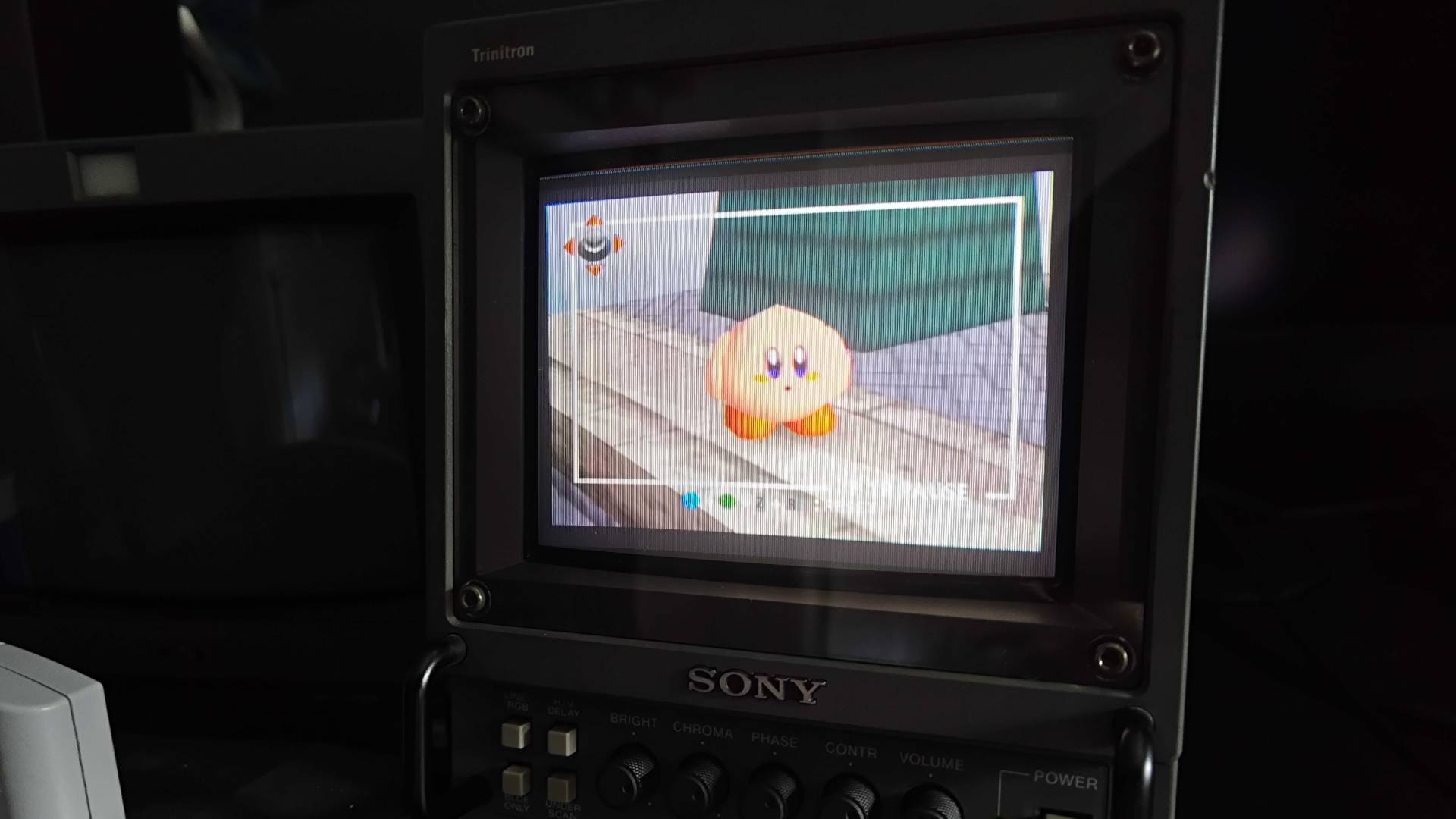
All unshielded cables are susceptible to the same symptoms, and while I used to find that cheap retro cables were adequately shielded, that's no longer the case. Even some "that'll do" aluminium tape around the internal wires is becoming less common, which is likely a bid to cut costs on manufacturing while hoping players won't realize or notice.
I mean this with kindness, but I know some people who won't notice some slight distortion when playing on old consoles, and they might even think it's just the way the visuals always looked. That isn't the case, and I suspect that by still making sales with few returns on subpar cables, some manufacturers have slowly decided to see what they can get away with.
High quality cables will make your wallet cry
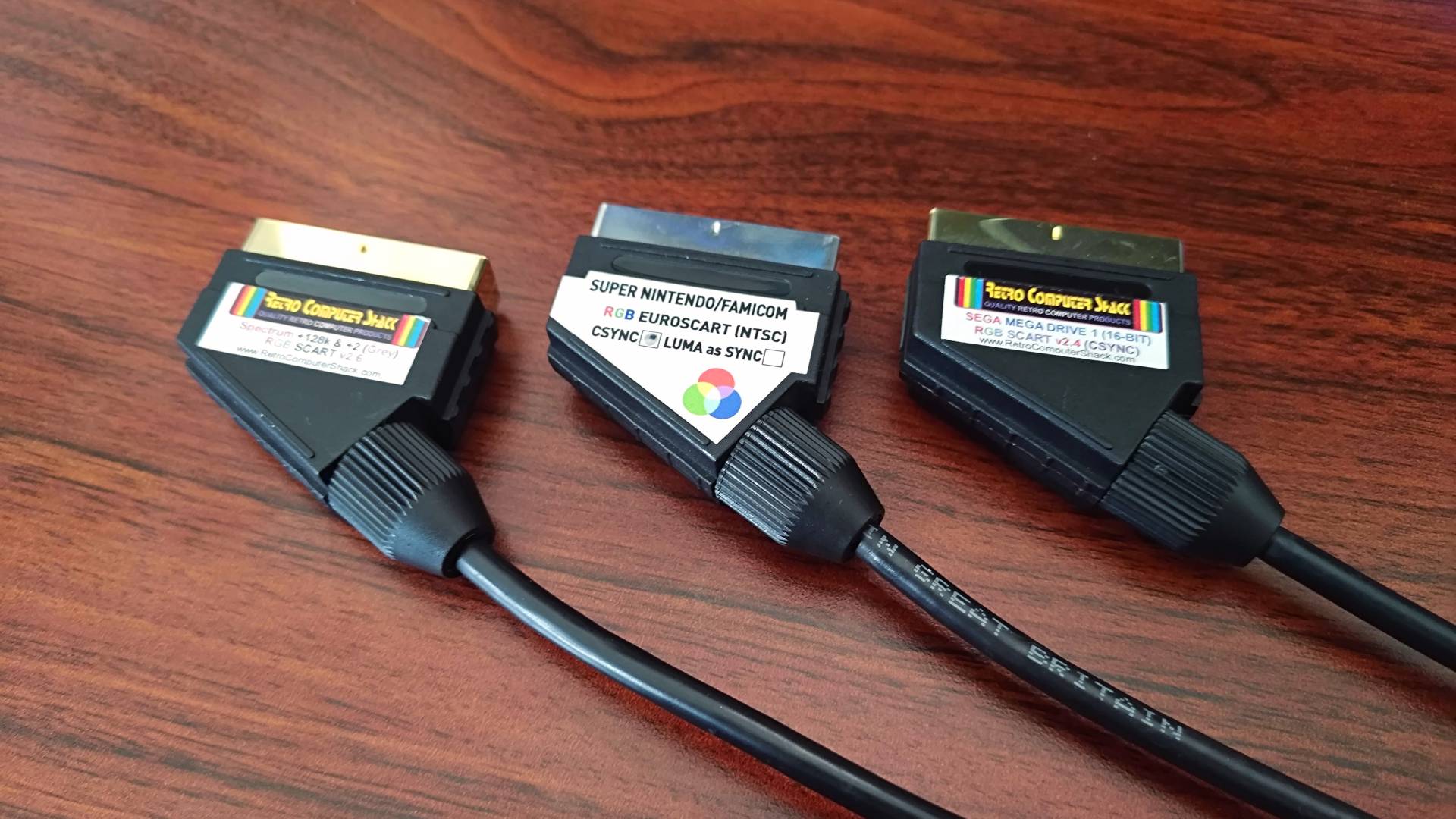
Given that the retro console cables market is so chaotic, the fact that there are enthusiast-grade wire makers out there isn't surprising. In fact, companies that strive to make cords that carry flawless analogue visuals to TVs old and new have been in action for years now, but there's a price to pay for beyond cromulent connectivity.
The first company that naturally comes to mind is Retro Gaming Cables, a brand that I'd describe as the gold standard. It's been making wires for classic systems since the early 2010s, but really started to shine thanks to its premium quality "Packapunch" RGB cables after registering as a company in 2016.
I've got one or two Retro Gaming Cables to hand, but largely old versions and not as many as I'd like. That's largely due to their lavish price tags, as you're talking £26.39 (around $35) for an RGB SCART SNES cable, and that price used to be closer to £20 . No, I'm not arguing with that MSRP, as the level of manufacturing going into shielding these cords and using custom PCBs rather than soldering wires straight to pins adds up, but I personally can't afford to buy one for all my systems.
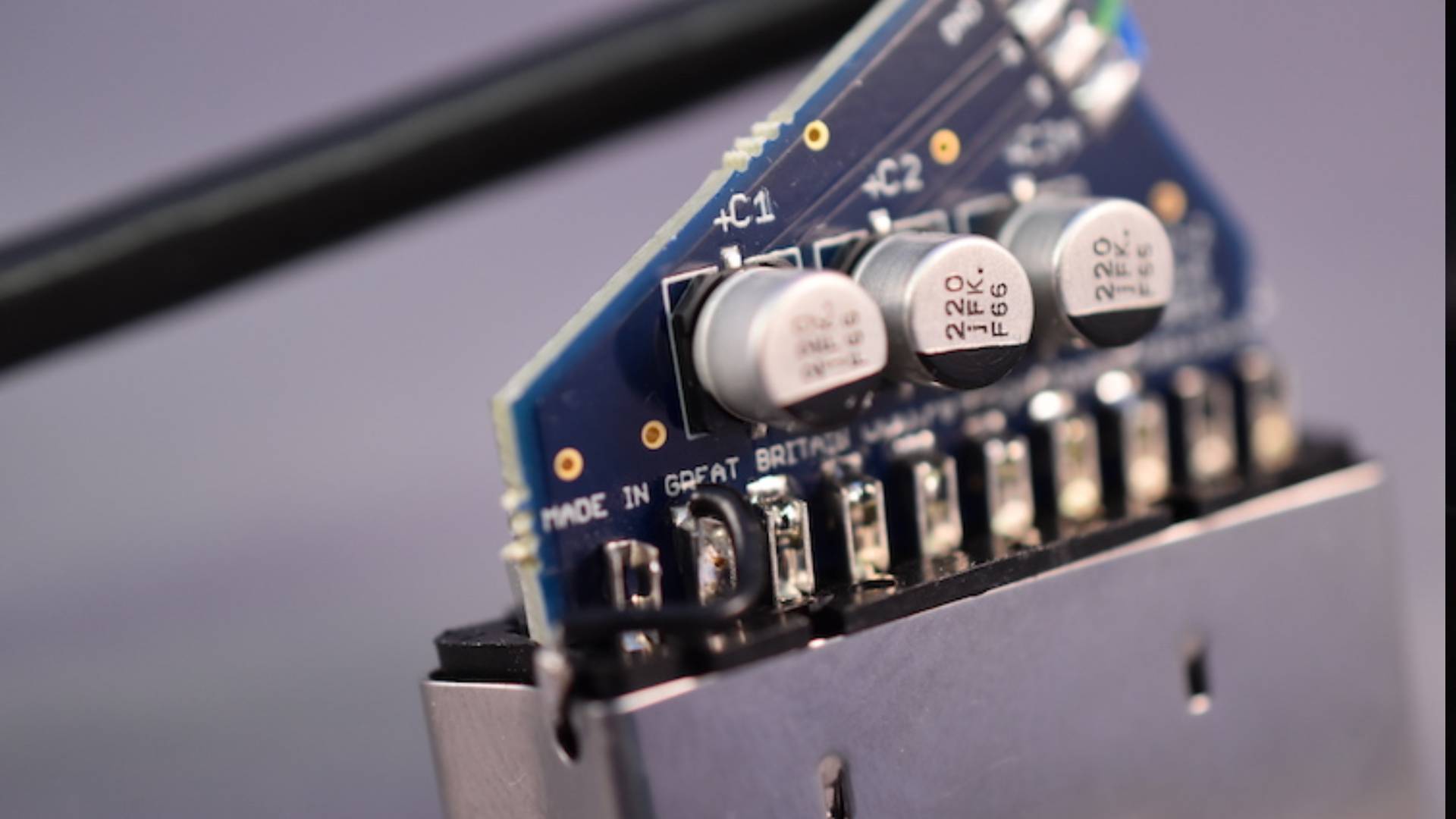
There is an argument to be made that if you can afford a really exuberant upscaler by the likes of RetroTINK, which can cost up to $750 if you go for the 4K version, then investing over $30 in a high-quality cable makes sense. If you're using something far cheaper like the OSSC or GBS Control, then the extra cost will make all the difference, and the fact I used to regularly find full retro consoles second-hand for less makes the price tag hard to swallow.
Of course, manufacturing anything in the modern age is an increasingly expensive affair, and even the few other brands out there are close in price to Retro Gaming Cables. The fact that true RGB solutions that provide superior colors, like SCART and component, were less common in the US plays a role in both pricing and availability, and it's the reason why options like the Retro-Bit Prism Component Cable for GameCube come in at a staggering $59 at Amazon.
Even if you'd rather go for standard RCA composite, you'll find that most brands are busy making straight HDMI adapters for consoles. Hyperkin has you covered on that front for Nintendo systems with its 3-in-1 HDTV Cable for SNES, N64, and GameCube, but at $34.99, it will make sense to grab an original wire if you've already got a separate upscaler.
What I will say is that, depending on your respective console or system, there are sometimes small businesses catering to specific needs at lower prices. That certainly applies to Retro Computer Shack, an eBay seller I've used throughout the years for microcomputer cables. If you caught my Commodore 64 Ultimate review, I'm using that vendor's wire to hook the FPGA system up to a CRT, and I still use their Sega Mega Drive RGB SCART with a 3.5mm feed for stereo audio.
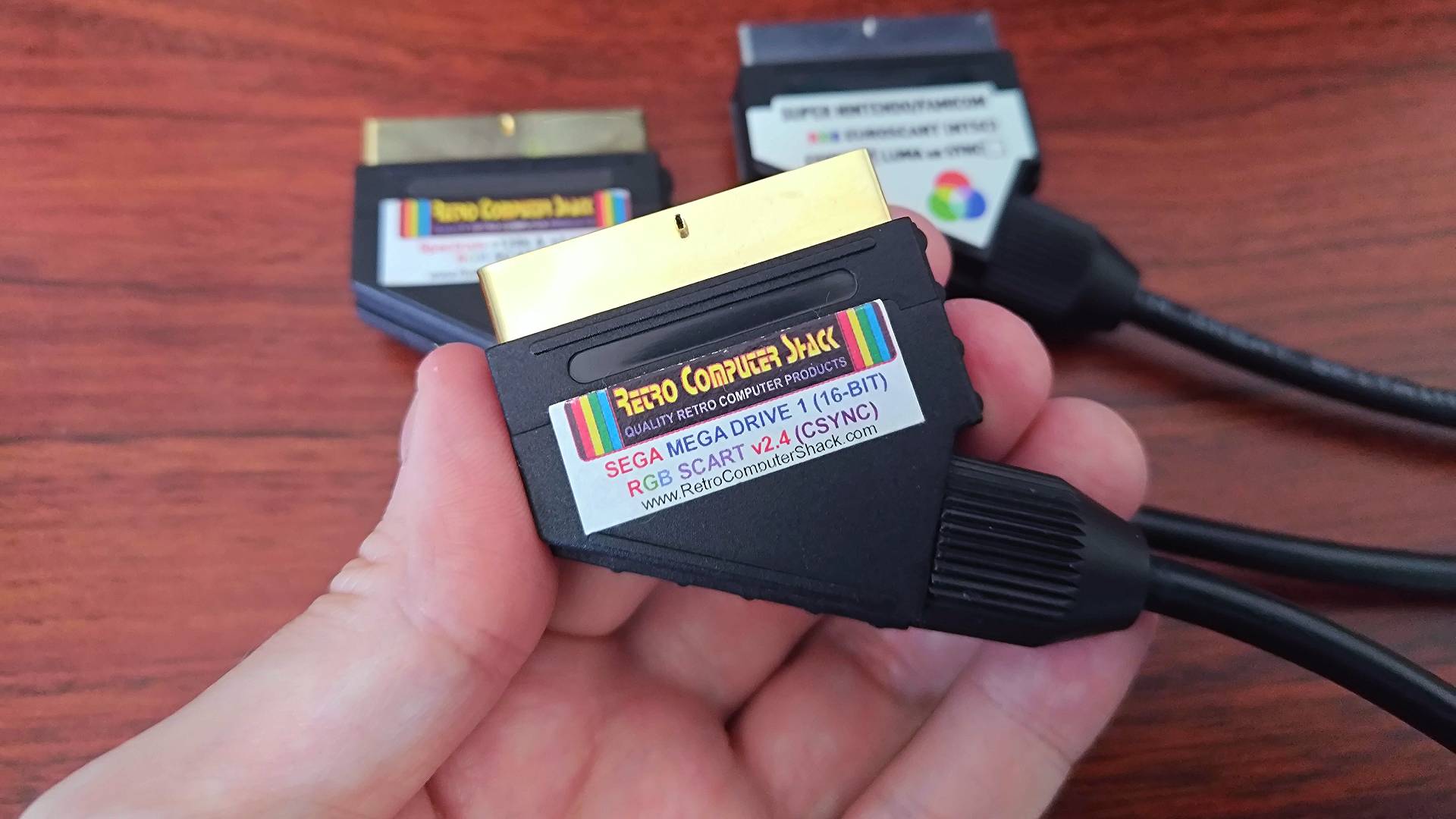
The gap here is clear: if you're not looking for an all-in-one HDMI for a console, your options are cheap no-brand cables or enthusiast-grade wires by Retro Gaming Cables or something by HD Retrovision at vendors and stores that carry its stock. It could be the case that it's impossible to make something more affordable for less without compromising on quality, and I'm willing to accept that reality. However, the cost of cables does add to the overall expense of retro gaming as a hobby, and I'd love to see more budget options that are once again dependable.
If you've got a go-to retro cable brand, let me know in the comments section below, as there might be a hidden gem at local game stores worth highlighting!
Swing by the best retro controllers for new pads that still feel authentic.