"They don't make 'em like they used to": How flash player games defined an era of indie horror
I haven't played flash player horror games for 15 years, but I think about Hotel 626 often. The live-action horror walking sim was only accessible in your web browser between six PM and six AM – from six to six, if you will – and it was the coolest thing 13-year-old me had ever seen.
Hotel 626 "hacked" your webcam to snap pictures of your face during its most terrifying jumpscares. It sent cryptic texts to your mobile phone. If supplied with your landline number, it would call your house in the dead of night. The browser game was a school-wide phenomenon, dominating hallway chit-chat for weeks, which is strange considering Hotel 626 was actually a Doritos ad.
Commemorating nacho chip flavors being brought "back from the dead" for Halloween 2008, a sneaky logo on the endgame splash page was the only indication that the whole thing was a marketing campaign by US ad agency Wolfgang LA. Somehow, that knowledge only made Hotel 626 cooler. I remember eating a lot of Doritos that year.
Both Hotel 626 and its sister campaign Asylum 626 are officially no more, enshrined among gaming's most ephemeral lost pieces of media since 2011. Now, only memories and a handful of Let's Plays prove it ever existed. But it was just one of many terrifying flash games that gripped young teens by their blazer lapels and drew them into one of the quirkiest, most irreplicable moments in online gaming history.
After catching up with two indie game devs making some of the most exciting upcoming horror games around, it's clear this obsession reached far beyond my secondary school. Browser horror didn't die with Adobe Flash Player; it continues to inspire developers to this day.
Tall tales
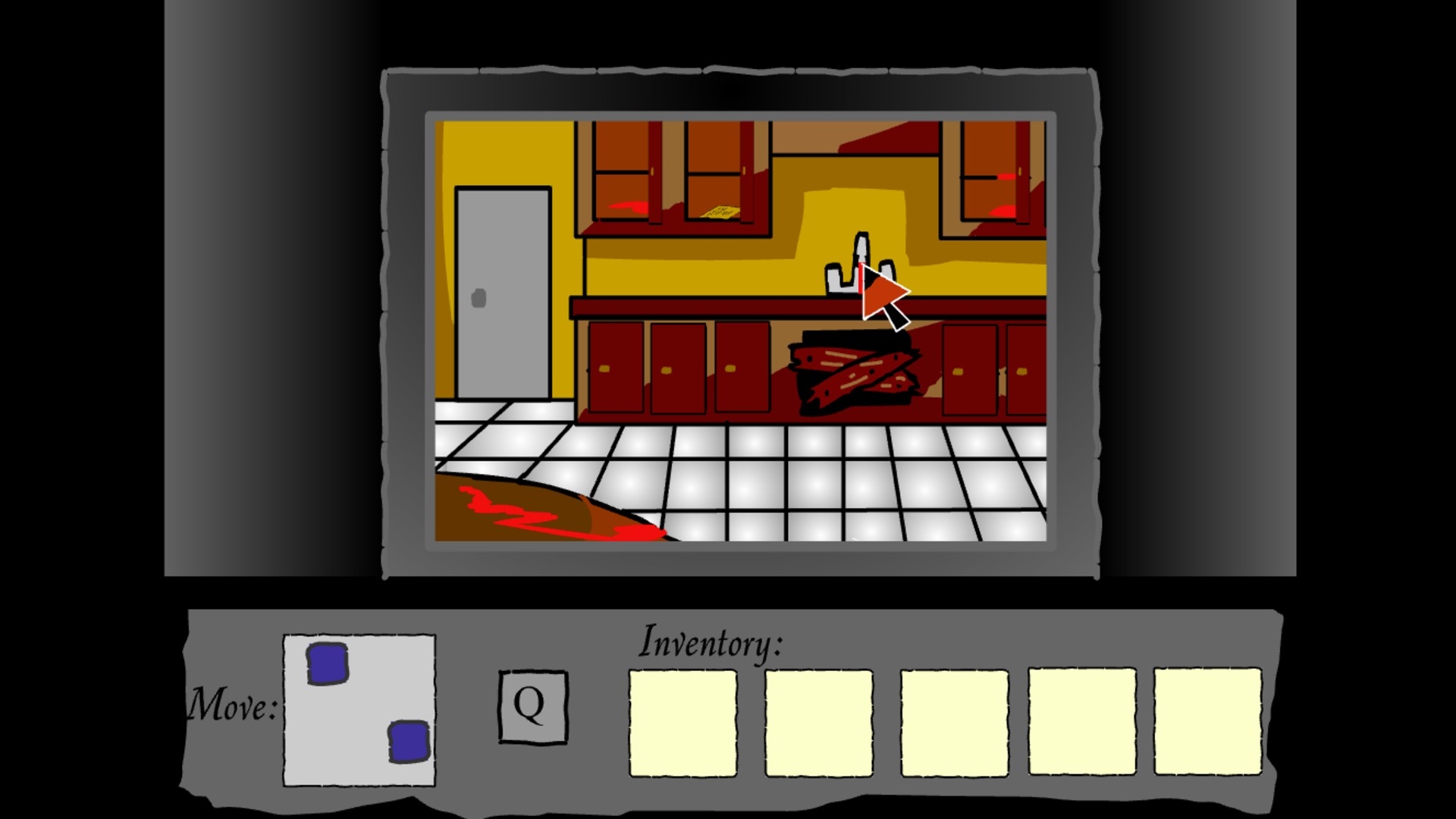
Escape from 1428 Elm Street
Release date: February 6, 2003
Developer: Shawn Tanner
Play it now on: Newgrounds
Slender: The Eight Pages
Release date: June 26, 2012
Developer: Parsec Productions
Play now on: KBH Games
Browser games edified my earliest online gaming experiences. I got my first laptop at the (arguably too-young) age of 12 as part of my school's Macbook program. Just like all of my peers, I abused that privilege to play browser games wherever I had an internet connection – and almost all of them were horror games.
Escape from Elm Street was my home turf. Slender: The Eight Pages was the sleepover tradition me and my friends held to for years, screaming with glee each time we got caught in the pixelated forest. And Hotel 626 isn't the only clever marketing ploy I was obsessed with. 2005's Hide and Seek is the first gamified movie website I remember visiting on my grandpa's clunky MacIntosh computer, while Keep Her Awake was a particularly alarming site launched in tandem with the 2010 Nightmare on Elm Street remake that offered razor blades among the items at your disposal to keep sleep (and Freddy Krueger) at bay.
I'm convinced that every thirty-or-forty-something who had internet access in the early 2000s has one browser game experience that stayed with them. My theory is reinforced, at least in part, by Chantal Ryan and Luke Dodds.
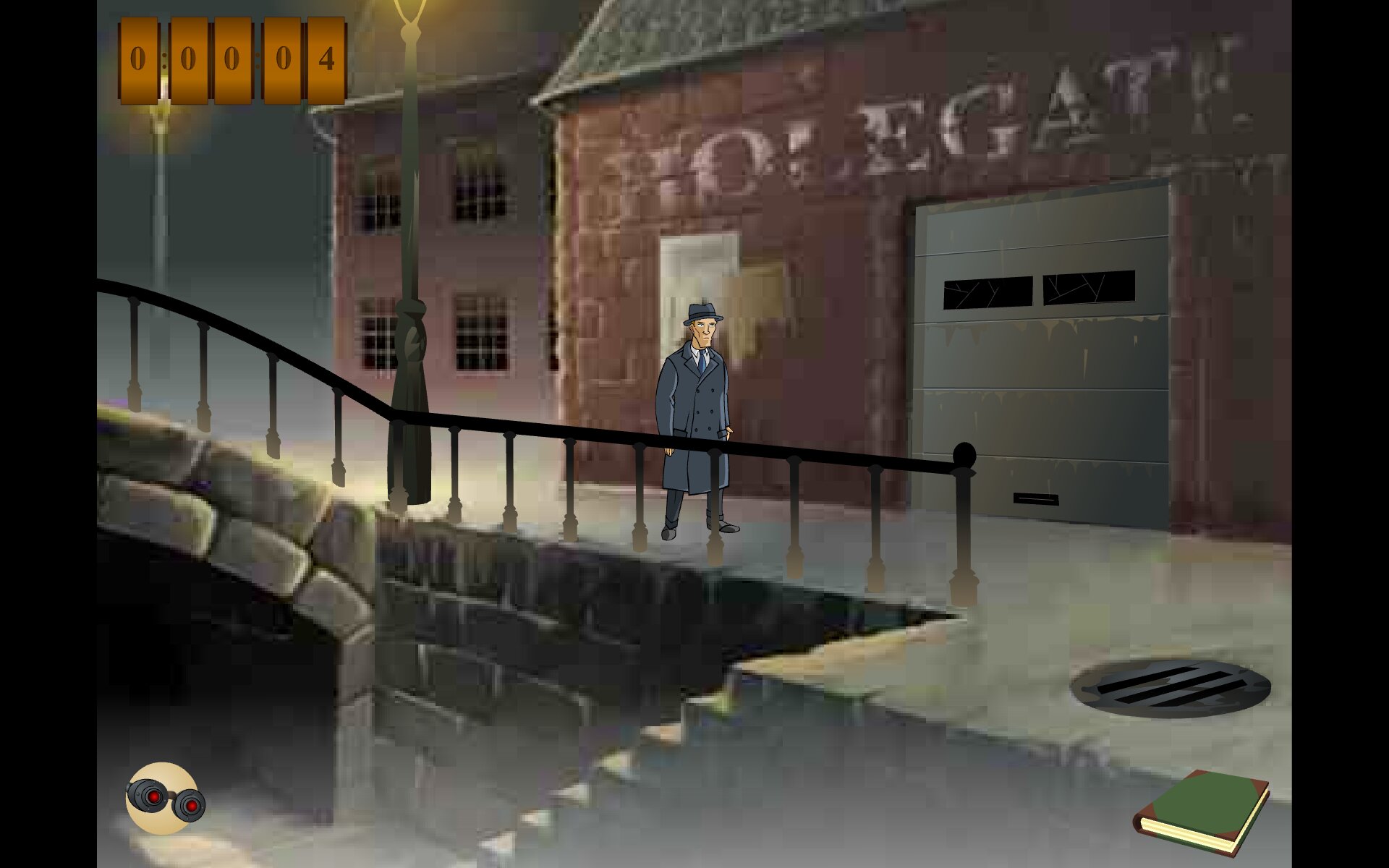
For Ryan, creator of narrative roguelike browser-framed horror game darkwebSTREAMER, her flash player love was visual point-and-click novel Arcane: Online Mystery Serial. "It was available, I think, on the Warner Bros website, and was an incredibly well made game – hand-animated in a bizarro Don Bluth style, great voice acting and music, and a truly oppressive Victorian Gothic atmosphere. I've rarely seen dread done so well in a game," she says.
The two-game narrative adventure was in the works between 1999 and 2001 before being discontinued, to the dismay of its passionate fanbase.
It was a simple yet effective experience in terms of mechanics. "Every time you clicked the mouse, the gaze of the Lovecraftian being focused closer in on you and brought you closer to your death," explains Ryan. "You played multiple characters racing to figure out how to stop this being."
Ryan can still remember the "skin crawling on the back of my neck" as she tried in vain to solve puzzles before an unseen force ensnared the player, echoing my own experiences playing other browser games. "I remember trying to program my own flash games as a kid because I was so inspired," she goes on. "Low key, they don't make 'em like they used to."
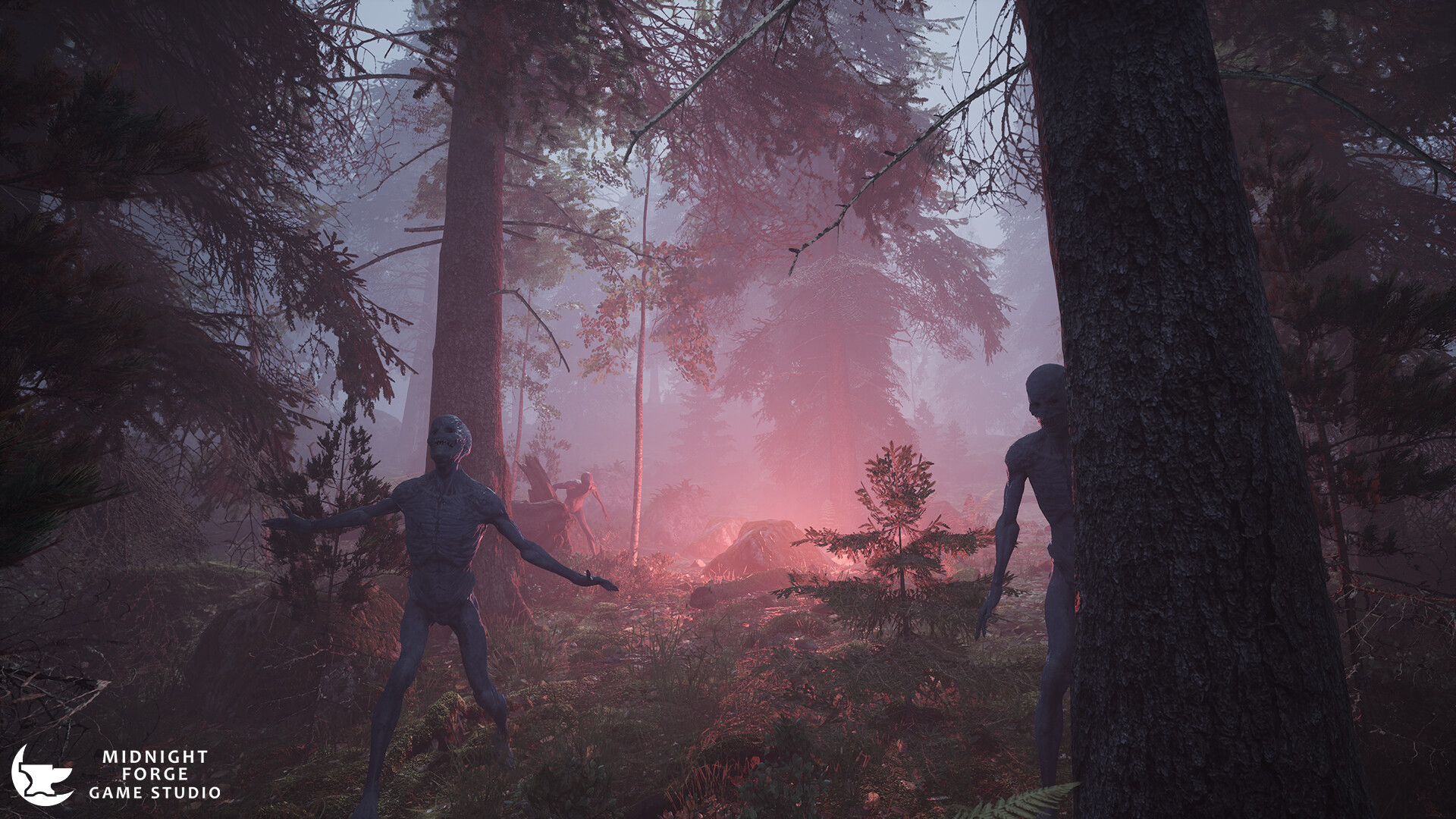
Flash player horror had a unique physical and emotional affect, capable of chilling and thrilling with no fancy tech required. It's one of the things Luke Dodds, solo developer of Norse myth-infused "hardcore detective" horror Nowhere, appreciates about the browser game era, too.
"What I still admire about those early horror games is how much they could achieve with so little," says Dodds. "They did not need huge budgets or complex systems to be memorable. A creepy room, a sudden scare, or an unsettling visual was enough to stick with you."
But what was his personal flash player game of choice? "Exmortis is probably the big one for me. It is one of those series I can look back on and see a clear line between playing strange Flash horror games as a kid and eventually wanting to make horror games myself. I was around 10 when I played the first one, arguably too young too, so they may have definitely left an impression!"
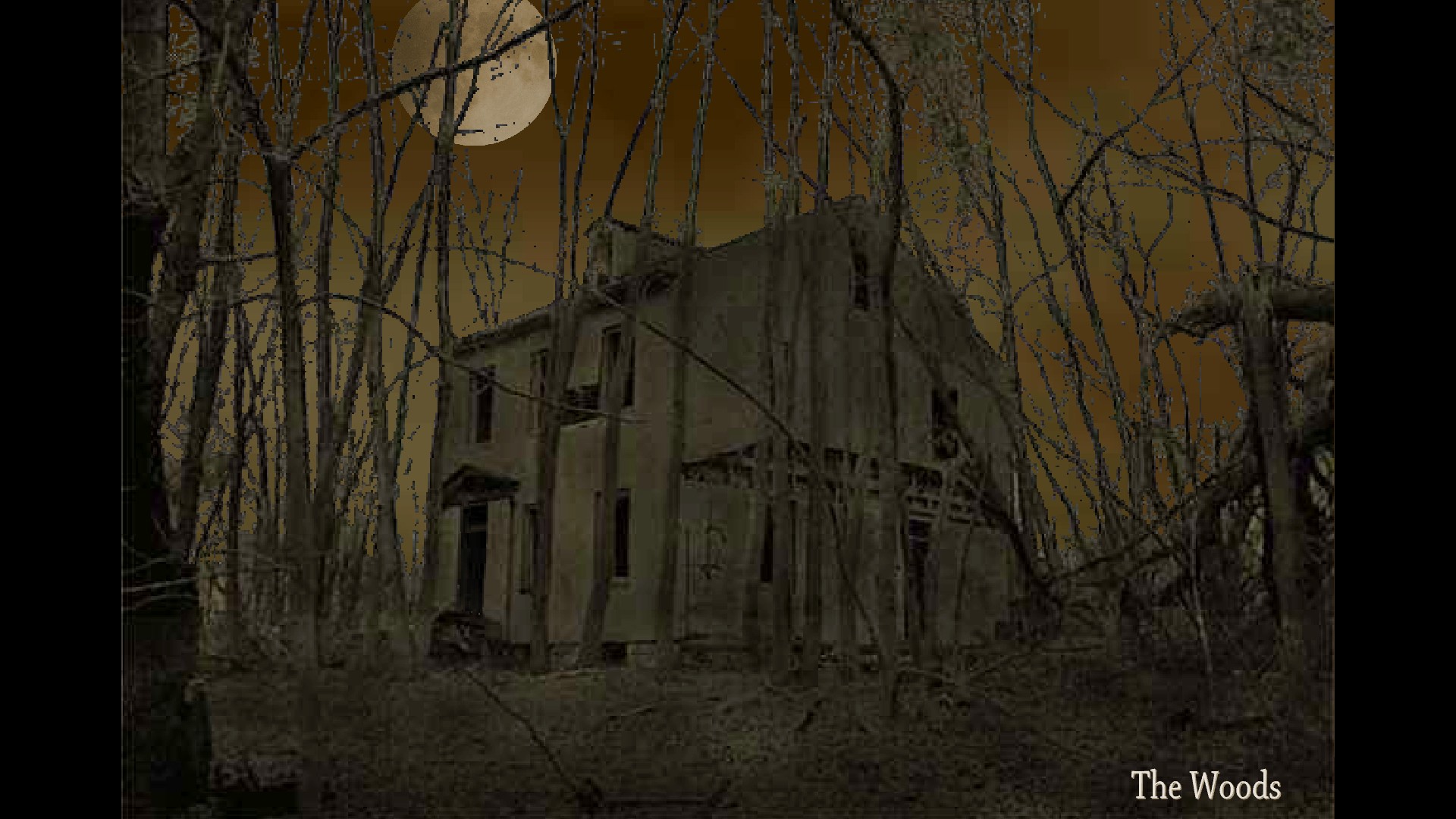
Exmortis, and sequel Exmortis 2, are point-and-click horror games you can still play today on Newgrounds. The first strands you in the woods with no recollection of how you got there – think gritty, low-rez photorealistic graphics and an oppressively eerie atmosphere that was both a consequence and advantage of its low-budget development. "I think that early browser horror era was really formative for me. It eventually fed into my love for games like Penumbra, Slender, and Amnesia, and it just grew exponentially from there."
Lessons learned
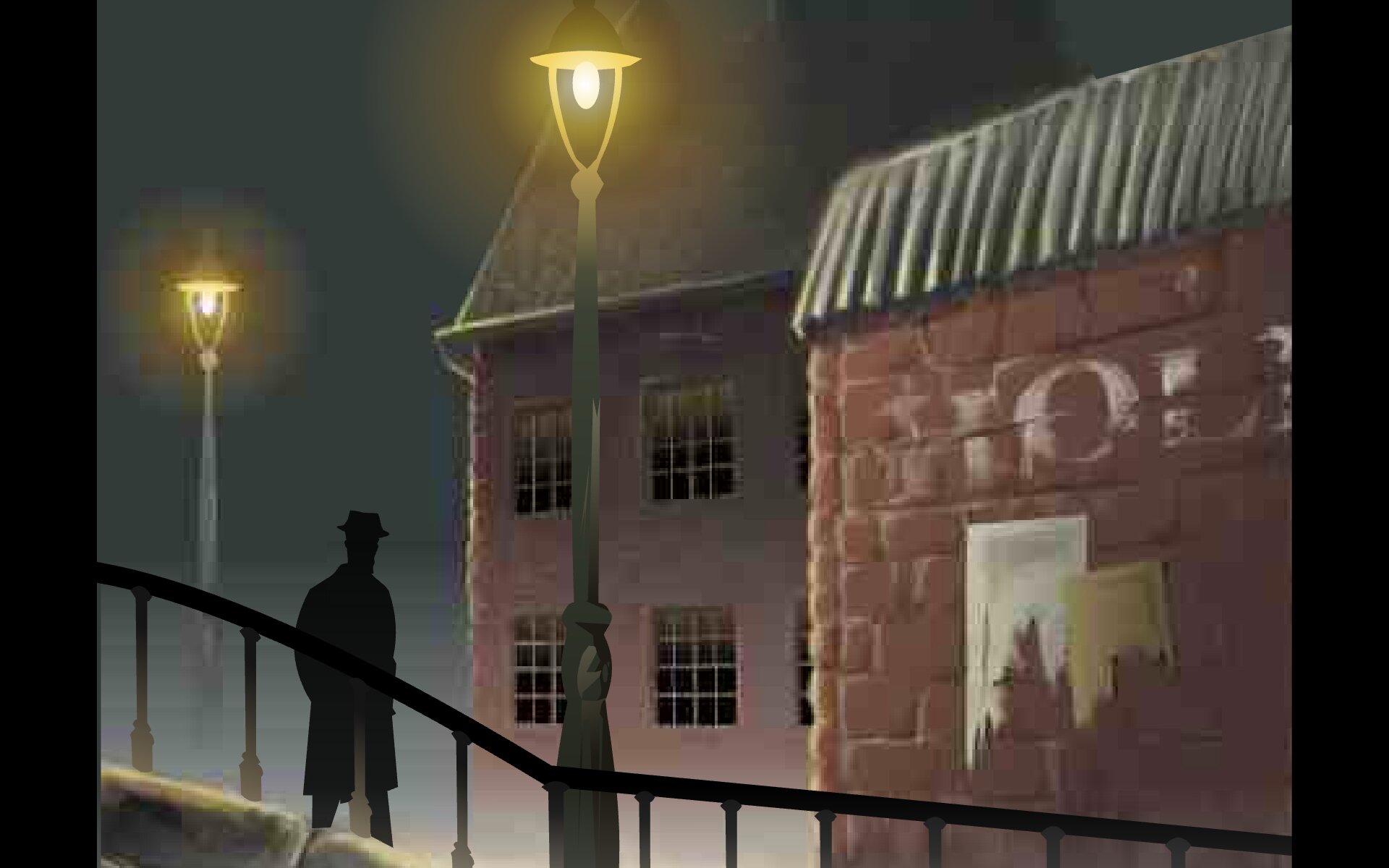
Arcane: Online Mystery Serial
Release date: 1999 – 2001
Developer: Sarbakan Inc.
Play now on: FlashArch
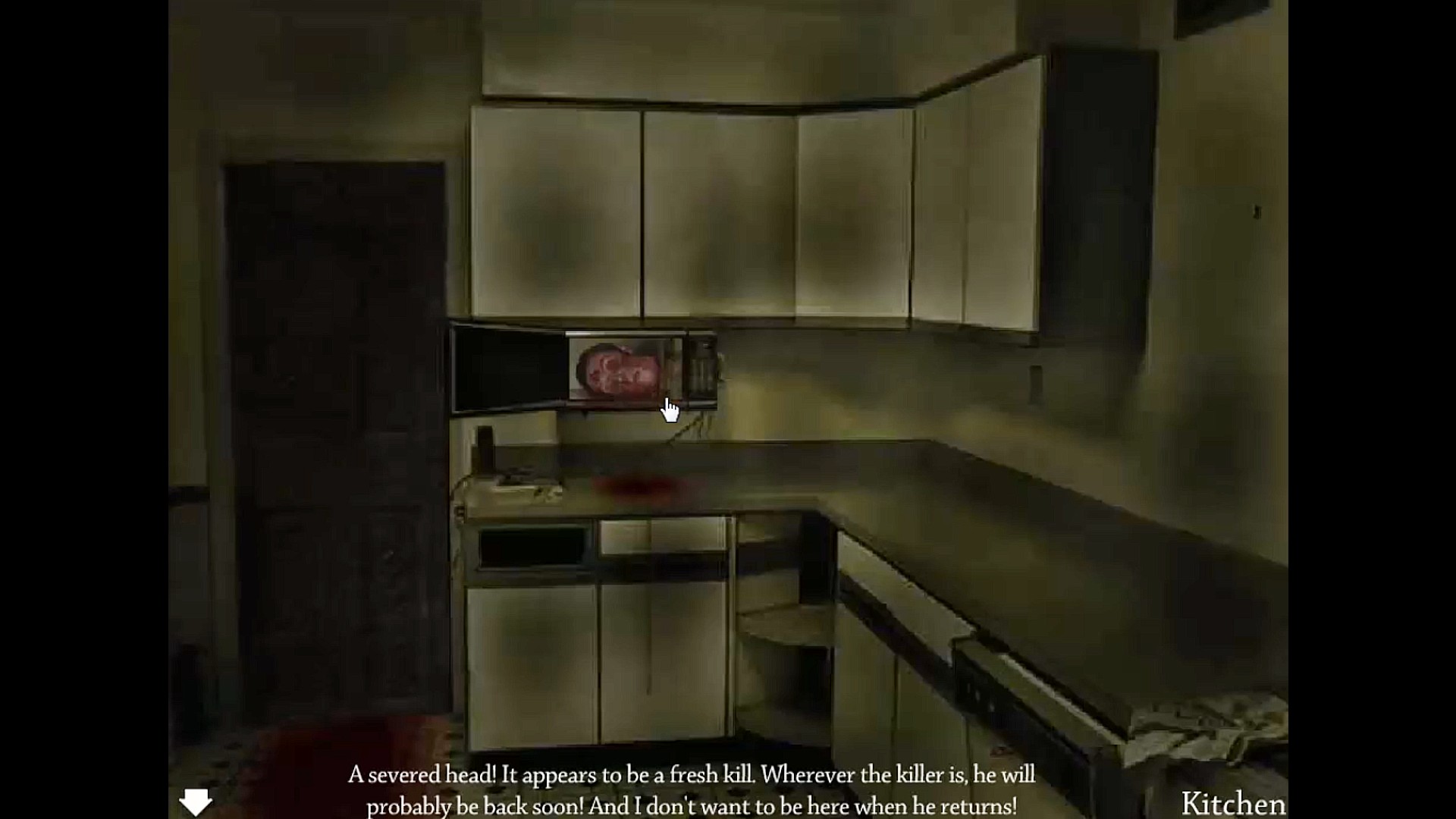
Exmortis
Release date: August 27, 2004
Developer: LefflerWebDesign
Play now on: Newgrounds
Comparing the look and feel of Exmortis and Nowhere – which also sees the player character exploring a creepy woodland to uncover the mysteries therein – the throughline makes a lot of sense. But Ryan's inspirations for darkwebSTREAMER spiral out even further, into a realm beyond horror games – though still very much of the flash player era
"Funnily, hentai dating sim games were also a huge inspiration for me," she says of unsavory Newgrounds discoveries of a different kind. "I didn't much care for the porn – the women were generally wildly objectified and silly – but I did love the RPG-sim mechanics! Ganguro Girl is one that sticks out, a sort of ridiculous satire on Japanese ganguro culture, as being particularly well done." I really wish I could Google this one for you on my office WiFi, dear reader, but I'd best not chance it.
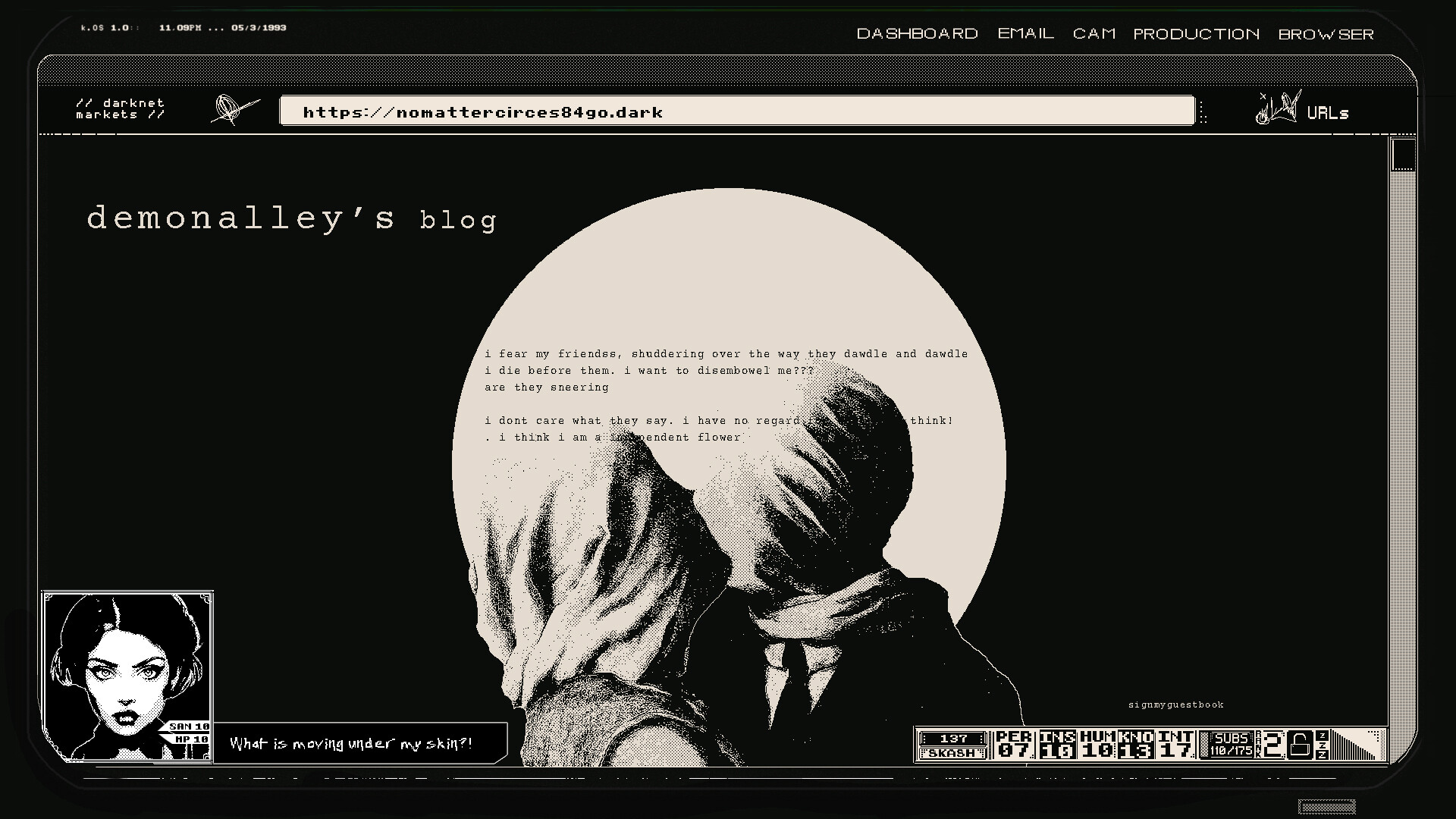
She riffs off some of these mechanics in darkwebSTREAMER, where you step into the pixelated desktop of an occult webstreamer in the 90s. "I think it's kind of poetic, given it's a game based around the internet," Ryan muses.
The heyday of Newgrounds, Addictinggames, and other flash player game sites was fascinating, predicating the likes of itch.io and Roblox as free-to-play, community-made PC gaming platforms. True, some can still be played in 2026, but they're such products of a specific time period that it doesn't quite feel the same.
And yet, their ghosts live on. "Flash games left an indelible imprint on me as a person and a designer," Ryan tells me of their enduring magic. "There's something to the ephemeral, often-scrappy nature of them that haunts. Games that live on the internet. Little portals to strange worlds you had to literally dial into. I'm constantly striving to capture that sort of eerily ethereal nature in my own work – something strange, surprising, sometimes rough around the edges, and feeling wholly belonging to another world."
We've hailed the AAA horror renaissance, but it owes itself to the indie horror boom