The backlash against gen AI in video games proves voting with your wallet works
PATCH NOTES v08.16.2026 – Generative AI's controversial presence in the gaming industry is under more scrutiny than ever, thanks to the players who call it out when they see it.
What's going on this week in gaming?
- A video games lawyer has commented on the presence of anti-AI clauses in publishing contracts that forbid use of AI technologies in development.
Why is this happening now?
- Concerns over generative AI use in games have been mounting for some time as players question ethics and copyright.
- Games like Arc Raiders, 1666 Amsterdam, and Clair Obscur: Expedition 33 have received backlash from fans after gen AI assets were found in-game.
Video game lawyer says all her clients have anti-AI contracts
Arc Raiders faces backlash for its AI voices
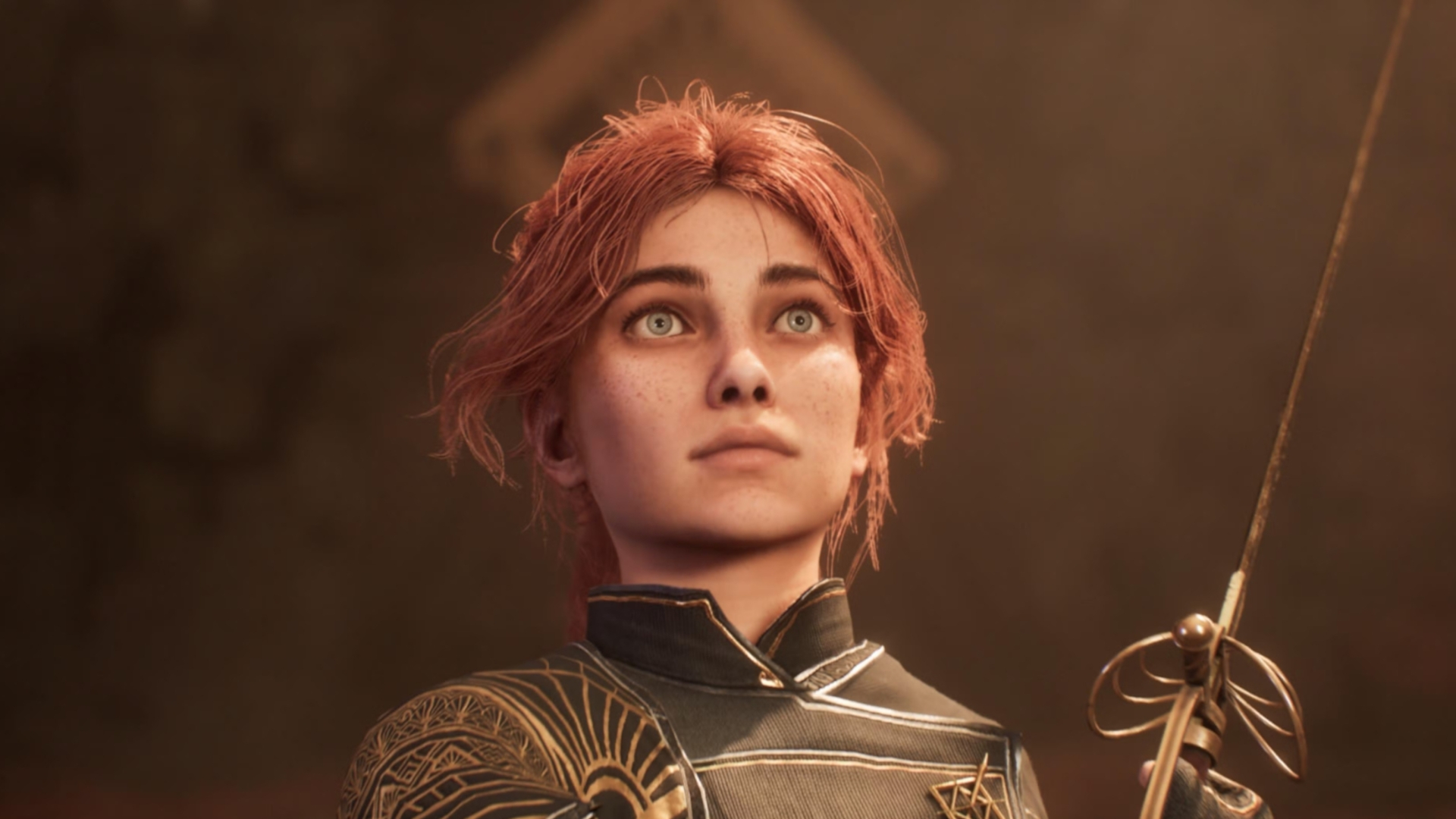
Clair Obscur director admits Sandfall "tried" AI
Meta Shift
- The gaming community's staunch anti-generative AI stance is affecting how games are made from the inside.
2026 has been a difficult time for smaller game developers whose use of generative AI has come under fire. While some studios like Panache Digital Games offer explanations alongside apologies before removing gen AI assets, others have claimed the software a "necessity" for a small, independent team or solodev.
But as my colleagues found out through interviewing games lawyer Haley MacClean, public opinion is affecting whether publishers are permitting developers to use generative AI. MacClean cites restrictive clauses being placed into legal documents, forbidding developers from playing around with the software in the first place, because "it's not worth the legal liability". This is because generative AI uses existing content, art, and other works to create an image or asset like voice dialogue from pre-existing creations. It's a risky move, even if done as a placeholder, since "AI regulations and precedents could come in the future and wreak havoc retroactively."
If not for gamers being so outspoken about their intolerance of generative AI, with games getting review-bombed on Steam or players outright refusing to purchase games with known generative AI use, these contractual obligations between publisher and developer might not have come into play. There is a pervasive mindset of "I don't want to use gen AI because my community would hate it," MacClean says. That same mindset is warding publishers off greenlighting work with studios who are intent on using the software despite how negatively it can impact sales and reputation should these assets be discovered.
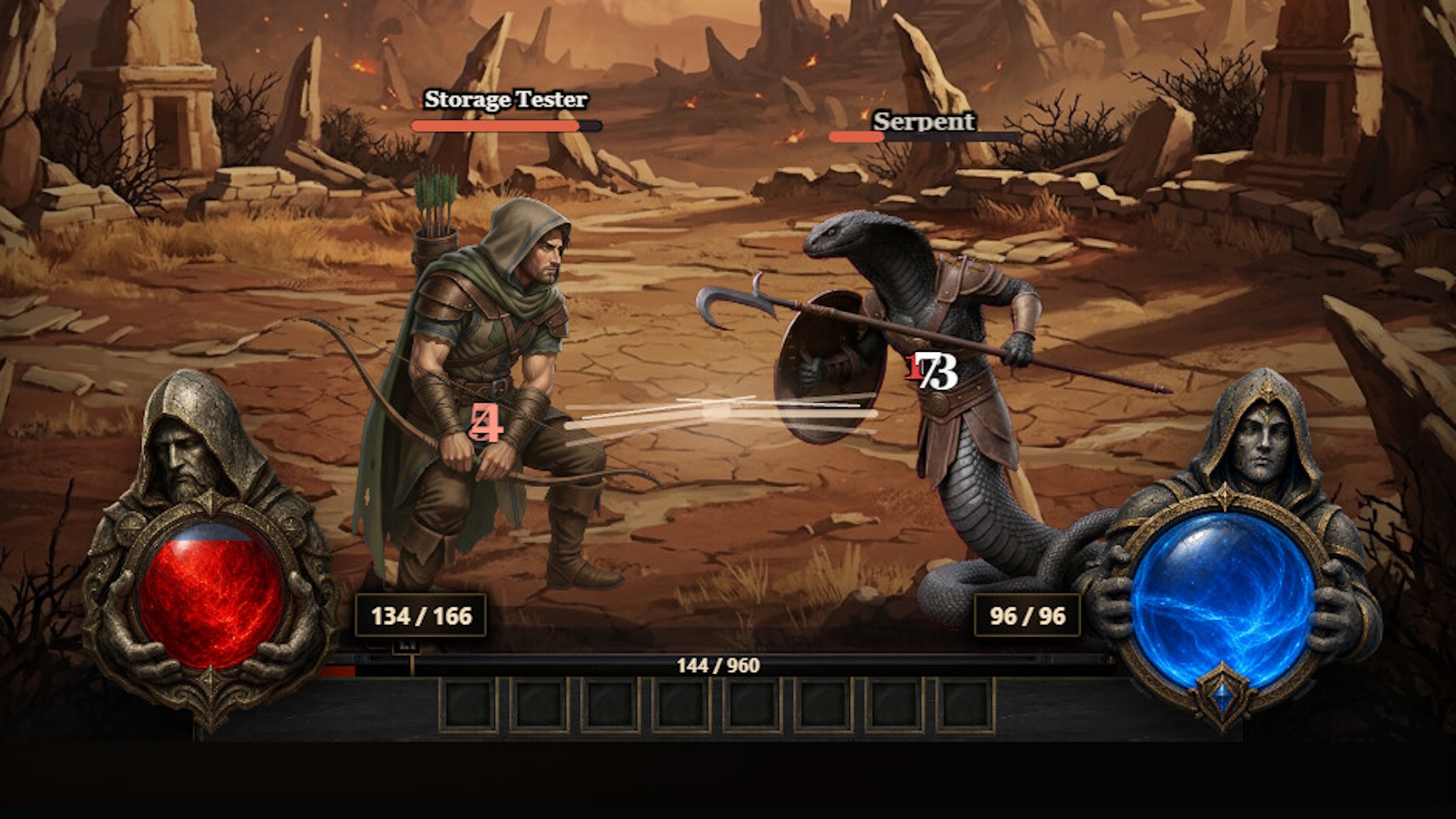
Devs don't buy Steam disclosure claiming gen AI was a necessity
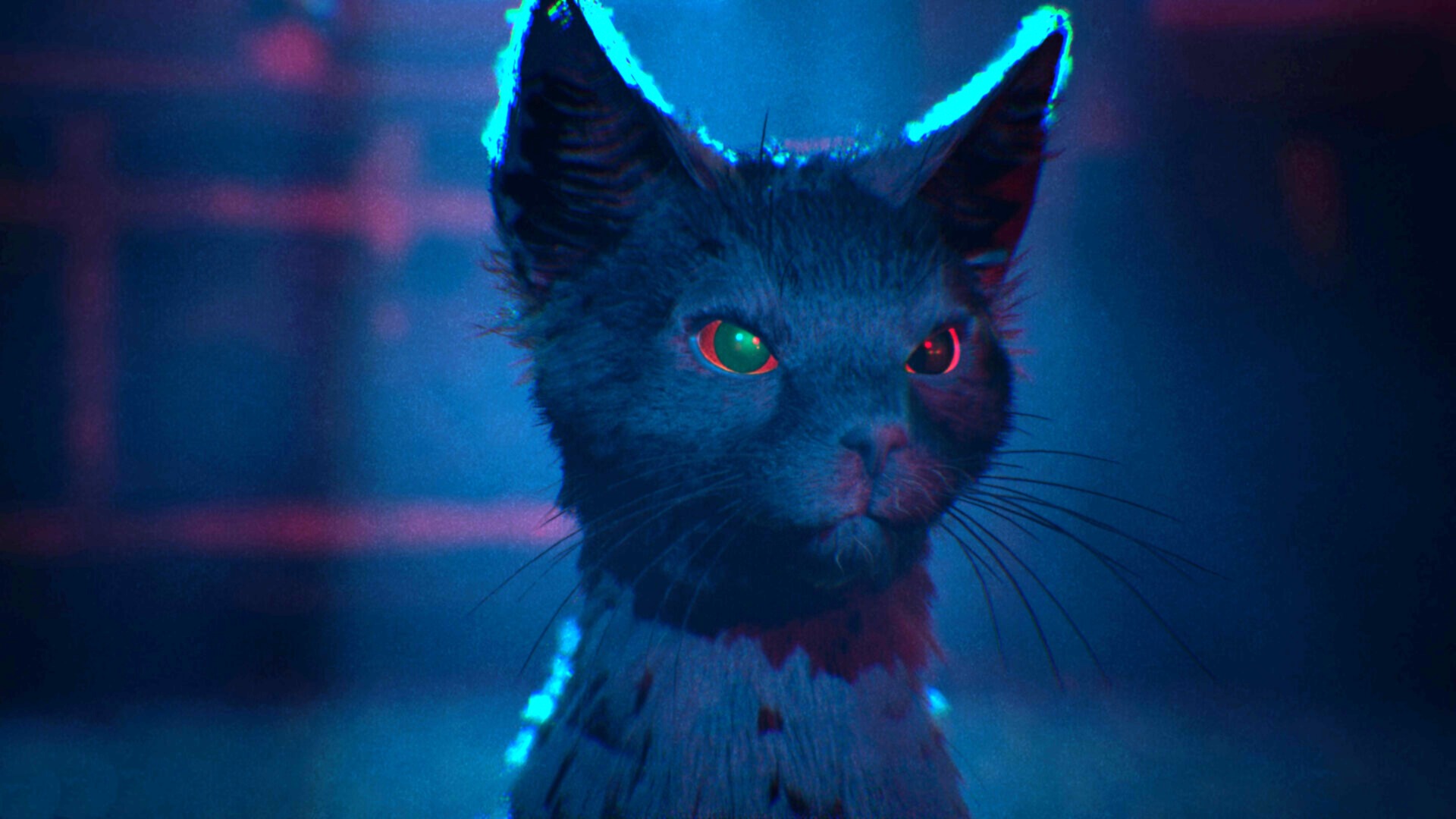
"We didn't even realize it was AI anymore" says 1666 Amsterdam director
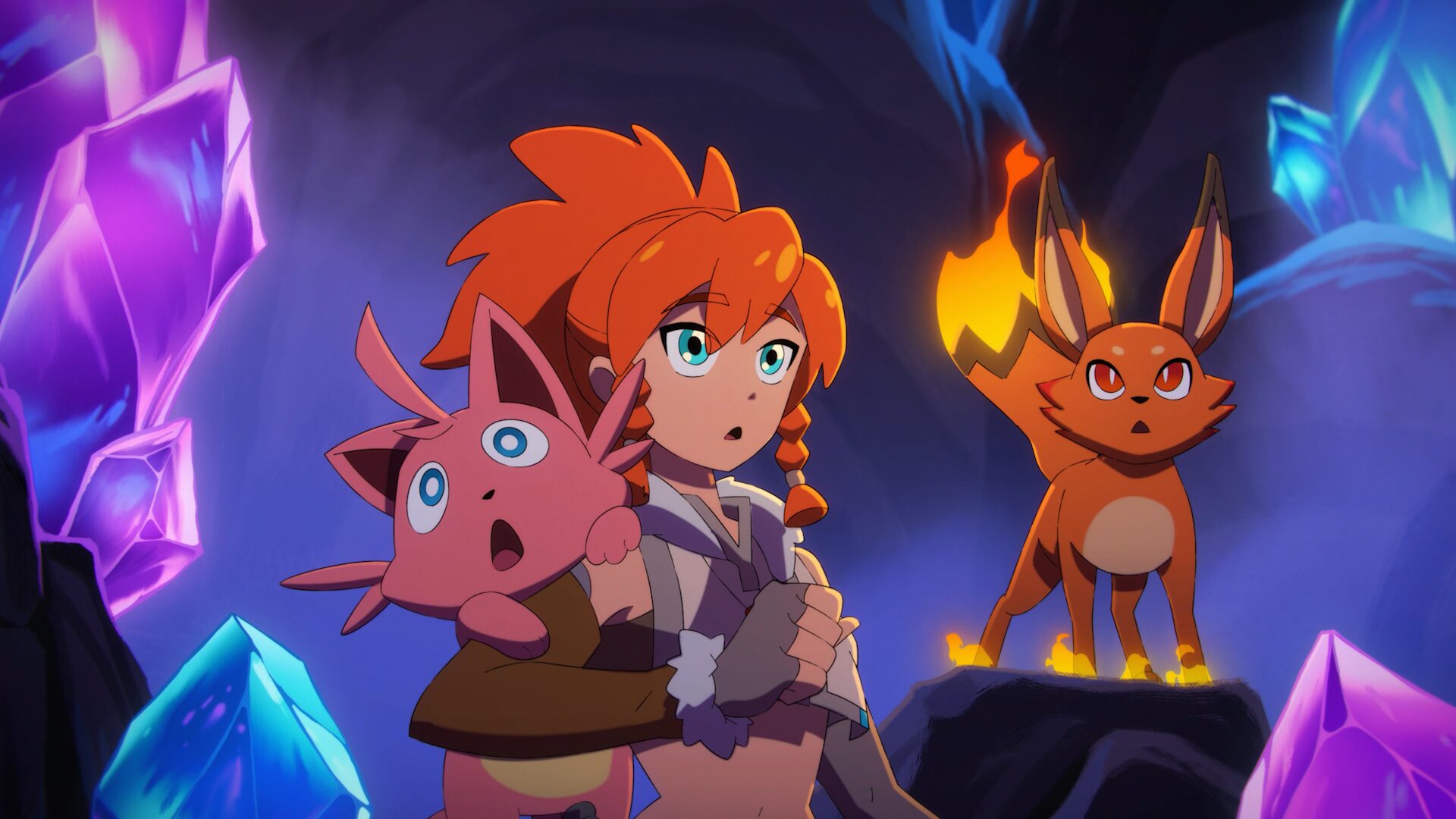
"Gamers don't want it": Palworld lead says Pocketpair doesn't touch AI
Patch Notes summary
MacClean's comments prove that publishers are taking notice of the gaming community's anti-AI stance. It's a relief for anyone who has been concerned about the increasing number of games being revealed to have had some element of generative AI use in the development pipeline, showing that loud and decisive backlash in the face of problematic game development does, in fact, seem to be working.
Related stories:
Devs say gen AI should be called out in games and support Valve's store mandate