Preview: The Duskbloods Encourages and Accommodates Different Playstyles
I’m not great at Soulslike games! It’s something about the parrying systems. I also find I tend to focus on more supportive roles in multiplayer games, turning to Rikku as my main in Dissidia Duellum and Mercy or Moira in Overwatch. This is to say I was concerned about how I’d fare going into The Duskbloods after being invited by Nintendo and flown out to FromSoftware’s offices in Shinjuku to test out the closed network test over two days. We knew so little going in, beyond the promise of it prioritizing PvPvE. The thing is, the structure is such that I feel someone can not only survive, but thrive regardless of where their skills lie.
Part of this is a combination of the varying Phases and Virtue system in The Duskbloods. Think of the Virtue you earn as essentially victory points. In the first Phase, none of the eight participating players need to worry about being eliminated. It’s an opportunity to get comfortable with the map, see who is also playing, find a Kin NPC supporter to fight alongside your character, and maybe even find allies or enemies if you enabled a Sigil for your avatar. Phase two feels like the point at which things can get serious. A random event might be taking place that offers an extra objective to provide opportunities or make things more challenging. There will be Ritual Sites that reward pledging or defeating others. Only six people make it into the third Phase, which is when you should ideally be powerful enough to start facing the stronger powerful enemy opponents on your own and maybe cleaning up a few larger Trespasser opponents for a last few Blood Power upgrades and Virtue. Depending on whether you are playing in a solo or duos mode, either three players enter the final match in a free-for-all or two pairs of two will be summoned to the grail for the final Blood Bestowal.
That’s a lot to take in, and that’s with my not getting too deep into what Sigils, Ritual, and Kin are or Virtue acquisition methods! Don’t worry. I found once you go through your first match or two, it clicks.
One reason I found The Duskbloods incredibly accessible is the nature of the characters themselves. Every one of them comes equipped with a melee weapon and a ranged attack. Depending on who they are, they might be better with one or the other. Albert is an all-rounder sort, with both of his attacks being reasonably quick and dealing about the same amount of damage. Zork is a much slower and heavier character with a hard-hitting melee. Each one has an ability that is immediately available and can be used a limited amount of times, as well as one that shows up when you hit level six on a map. Senator Samir Patres’ initial skill essentially sends out a swamp to attack, but eventually he gains the ability to transform into a dinosaur. Sniper Layla’s moveset prioritizes ranged attacks, to the point you can actually look down the barrel and act as a sniper to perform headshots. I felt like Zork felt more like a traditional type of Soulslike character during my preview, whereas others were more welcoming to other strategies.
Go Ad-Free With Siliconera+View the site with no ads, be able to provide direct feedback about what we cover, and be automatically entered into our monthly PC game giveaway.Join Siliconera+The Kin feature is also proved quite helpful for aiding in adjusting to The Duskbloods’ approach. The map during the hands-on preview I attended took place on the Lowanro City map. It’s an area with multiple districts to it, such as a city center, clocktower, sewers, cathedral, bridge, and forest, and multiple starting places. (To be honest, sometimes it was so large that I didn’t even happen upon other players until the Ritual Sites or random events in later phases would draw us together.) However, regardless of where you choose to spawn or fast travel, there will be very obvious, circular, glowing gates with insignias in the sky attached to them. Visiting one allows you to form a Contract with a Kin, randomly assigning you one from the genre tied to that insignia. Nia is a Blade Kin, for example, who will physically strike and assault foes while your avatar attacks. Baritone is a massive opera singer who can perform some impressive wrestling moves on an enemy that gets too close, but primarily is a supporter who sings a melody to offer physical and defensive boosts. Gargoyle is a woman who can repel projectiles, heal, and if she levels up enough even provide a sanctuary.
Now, granted, it is tempting to keep visiting summoning gates to get the Kin you want. Especially since certain ones may work especially well with different characters. Baritone’s supports seemed useful in each situation! I found Nia most helpful when I played as a primarily ranged character in order to keep enemies distracted while I worked from afar. But since they also level up as your avatar does, I found it best to stick with what I got to maintain a certain level of strength unless I got someone who seemed to never suit my personal playstyle. Because even though I found some pairs even in this early build that turned out quite delightful, there are so many approaches and experimentation resulted in some delightful surprises. I’m not sure if FromSoftware specifically picked some Kin with approachability and versatility in mind, but I noticed many of them seemed universally viable.
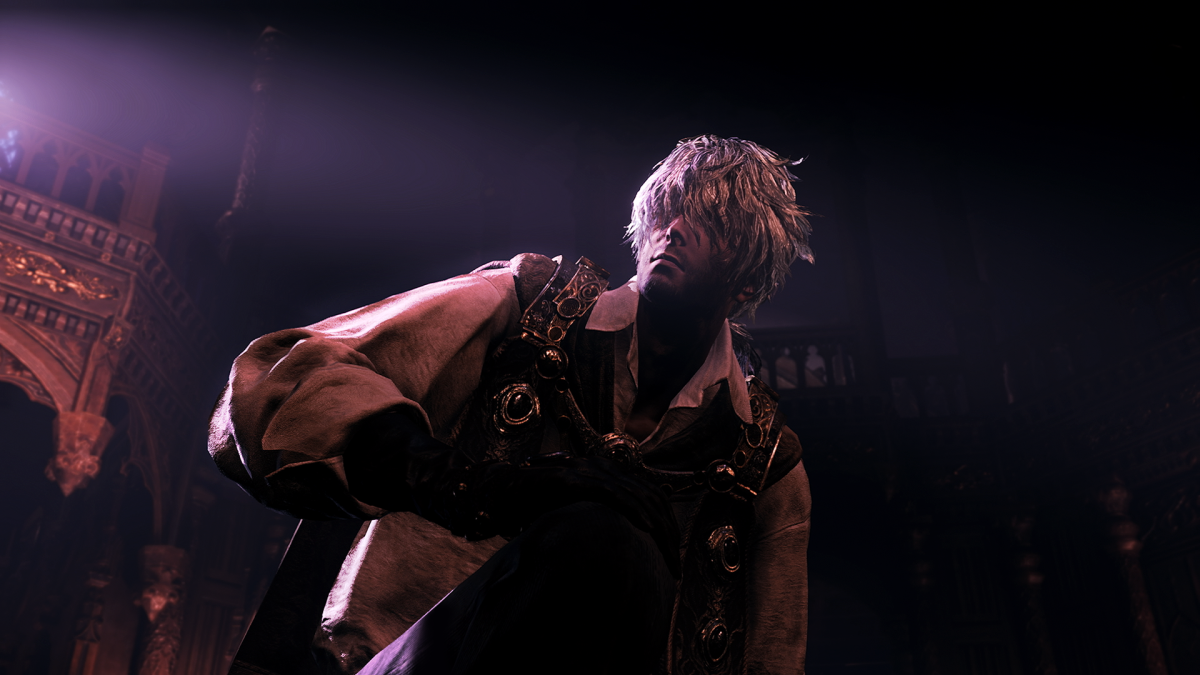
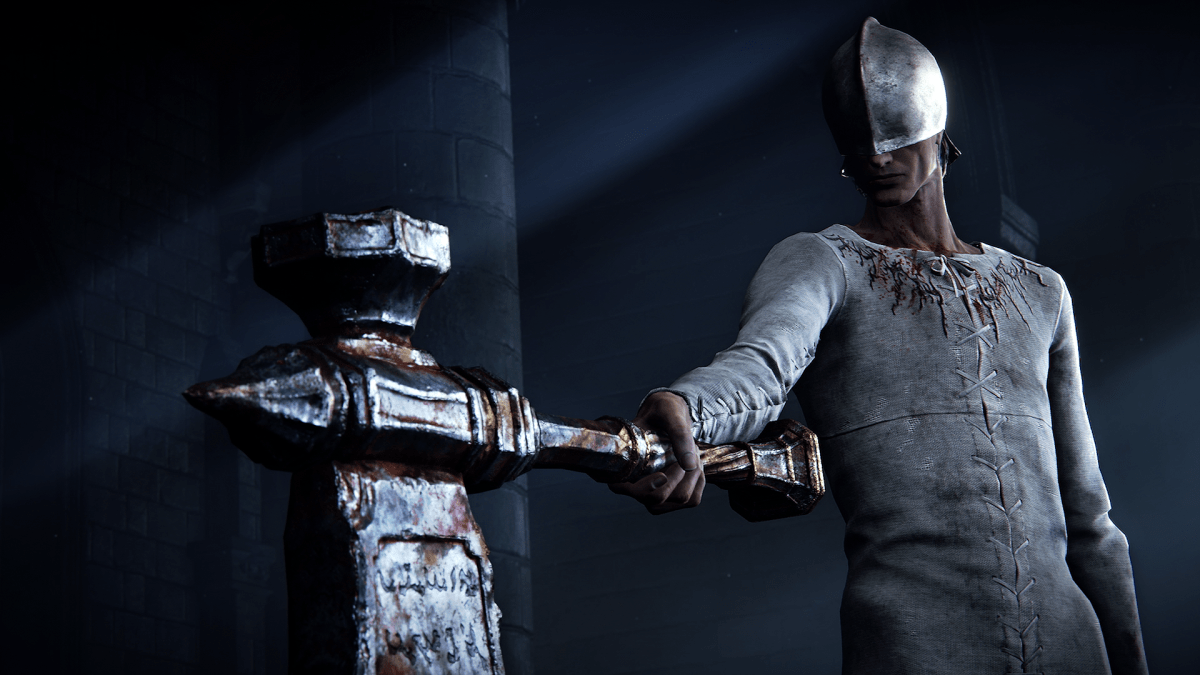
Likewise, the other reason The Duskbloods felt fair in this early access to the to the closed network test is because there’s no right or wrong way to gain Virtue and survive. I tended to priortize using Layla or Albert, and I found myself almost always getting to the third Phase with different approaches. Commendation Virtue can be gained if you are in the top two when it comes to having defeated common enemies or picked up items lying around on maps. I loved playing as Sniper Layla and going for one of those two positions just by wandering around rooftops or mountainous areas, picking off standard enemies. It also meant I picked up some Flame Virtue, a type earned by lighting a flame in corpses I’d found, for additional Virtue Points. More aggressive options could be rewarding too, with Repulsion Virtue offering bonuses for entering into the co-op Trespassers matches with other players or by finding the power enemies’ purple flames on the field, luring them out so I could defeat them for more points. Sword and Pledge Virtue at Ritual Sites helped in the second and third phases, especially holding a Red or Gold stone. However, perhaps it was due to the characters I favored, but I found the Sword Virtue that prioritized wiping out other players easier to maintain than the Pledge one that involved holding a position.
So sometimes I’d just go around exploring. I’d face smaller enemies. Stay off of people’s radar, unless I played as a character that possessed a Sigil that rewarded me for creating an alliance with an “old friend” or finding and defeating my father’s killer. That proved useful! I proved quite good at that, especially if I played as Layla, and would often pick up some extra Virtue via grabbing a Red Stone and going for Sword Virtue at a Ritual Site. The times I played as Albert, who felt a bit less like a glass cannon, I’d go for fights against the high risk, high reward bigger foes like powerful enemies and Trespassers to build myself up as much as possible. That could prove a bit riskier, especially since the Lady of the Bog frog one’s tongue seemed to not respect the permeance of things like walls or solid carriages so she could grab and devour me.
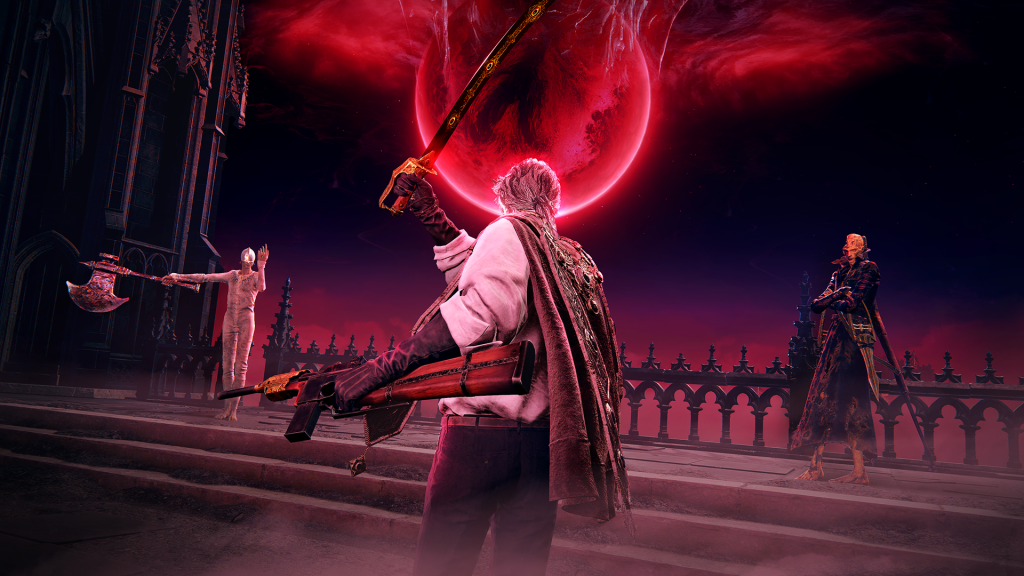
What’s also fascinating and changes things up is how The Duskbloods feels like an entirely different game once you get to the final phase and are beckoned by the grail. If you’re in that final three or among the two pairs facing off, it feels much more like a fighting game in an enclosed space. Your Kin is still with there, landing their own hits, offering buffs, and hopefully distracting foes. But it forces you to perhaps completely change your approach and tactics. I always played Layla as someone sniping from afar! I couldn’t do that when there are no platforms to jump up to and snipe from while avoiding close encounters. Did you maybe get knocked off the edge of the arena platform? Double jump and dash in the hopes of getting back onto solid ground. It’s so frantic and frenzied in a positive way, and it encourages you to think about the Blood Powers you choose to improve along the way and which items or abilities you perhaps saved up and prepared for that fight.
While people may see evidence of Soulslike DNA in The Duskbloods, the Network Test experience suggests its a game for everyone thanks to its diverse approaches. There’s no right way to win. There are multiple paths to success. You don’t need impeccable parrying and timing to guarantee a spot in the final three or four. Exploring, facing smaller enemies, relying on melee attacks, and even picking off opponents as a lone sniper could all lead to your success.
The Duskbloods Network Test will kick off on the Switch 2 on August 21, 2026, and the game is expected to come to the system in 2026.
Disclaimer: Nintendo invited Siliconera and covered the writer’s travel.