
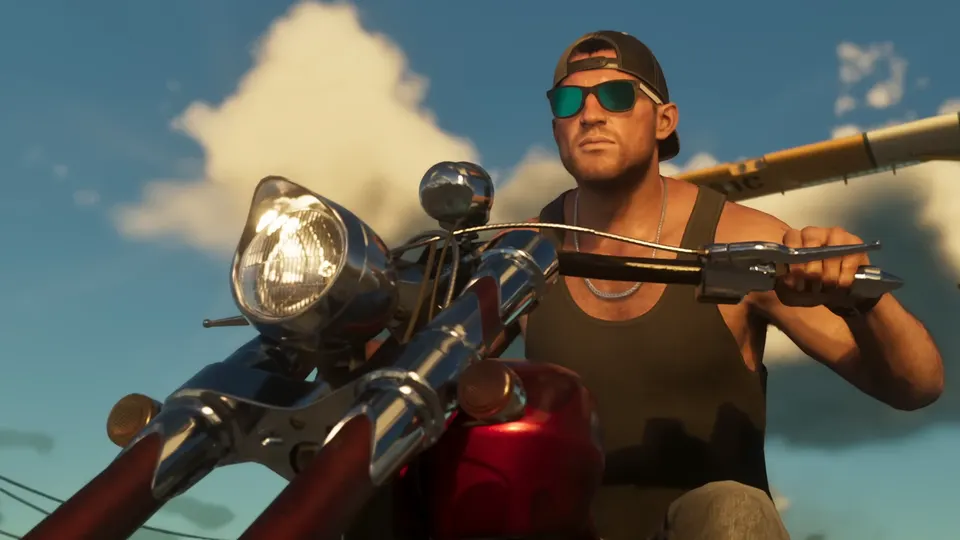

I thought digital-only games would stop leaks, but GTA 6 just proved me wrong

The death of physical media means the death of games leaking early. That was my grand conspiracy theory as to Rockstar's motive when it announced that GTA 6 would be digital-only and code-in-box, never mind the more obvious price-cutting explanation. I thought I had it all figured out, but if it's true, there's egg on both our faces.
The latest supposed GTA 6 leaks are big ones. These aren't accidental or innocuous posts from fans whose copies arrived early from GameStop. It's not yet clear how, but a hacker group managed to get hold of alleged GTA 6 footage and share it online before stating its ransom-like terms. The perpetrator is not demanding money in exchange for its silence, but the reinstatement of physical editions for GTA 6.
I got so lost in my own sauce that I forgot there's more than one way for games to leak – and one of them is much more unpredictable than the other.
Scammers never die

The backlash against gen AI in video games proves voting with your wallet works
My original theory tied back to the death of physical video game stores. I can't count the times I've seen entire games leaking online in the days and weeks prior to launch. From Lies of P to Silent Hill f, physical discs pose a threat to game releases. They are artefacts you hold in your hands, creating a tangible thing that can be bought, stolen, or delivered too early.
Despite agreeing with my colleagues about the importance of physical games, I understand Sony's move to seemingly copy Rockstar from a distribution perspective. Without physical discs, digital copies going live at the same time surely means a reduced risk of early leaks happening, right? Only in the case of GTA 6, all the decision has done so far is antagonize a hacker organization called Cyberleek, who posted gameplay footage ranging from the entire map to shots of Lucia and Jason taking cars and scooters for a spin, which have since been issued DCMA takedowns.
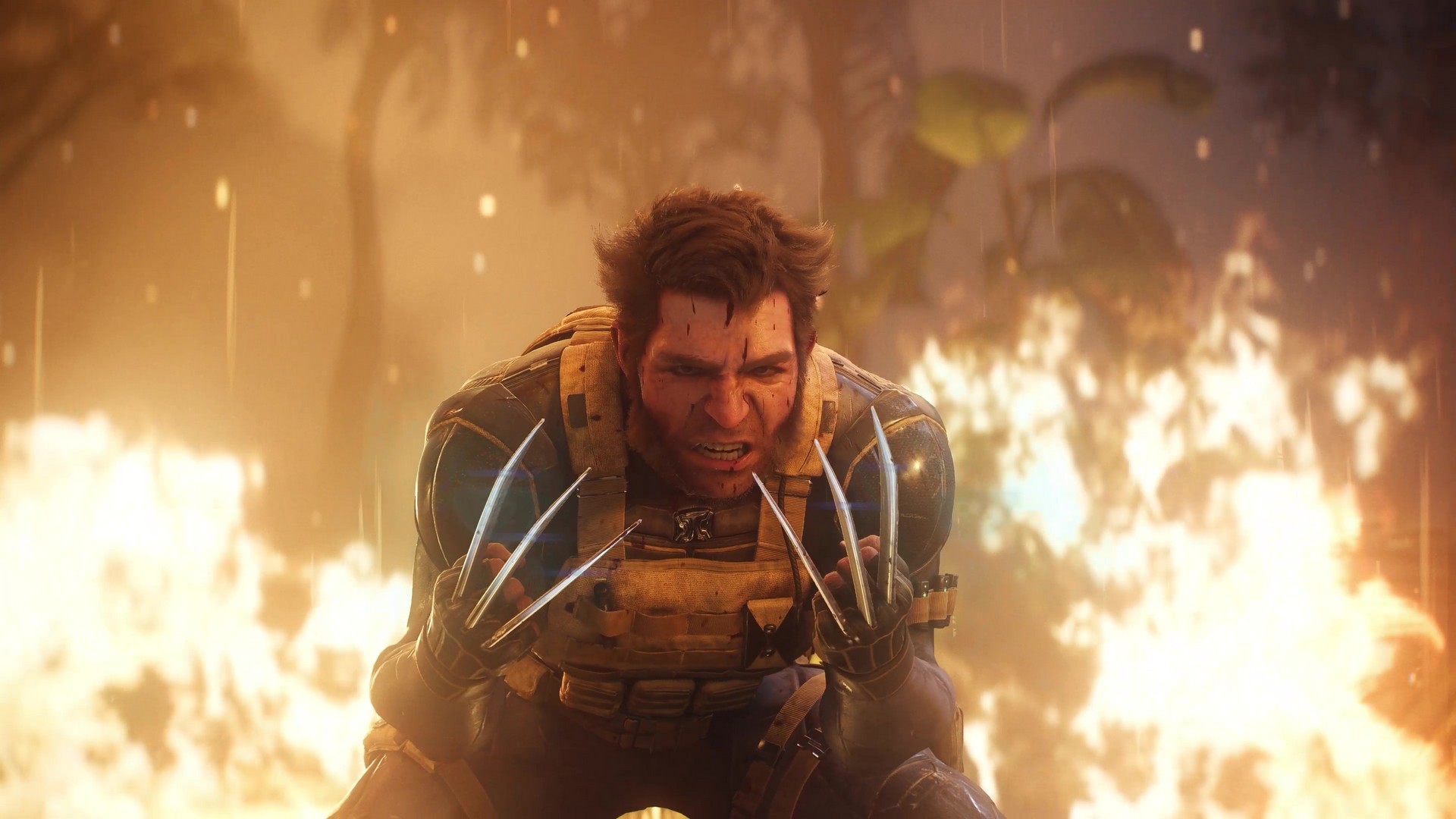
We've seen blockbuster studios get targeted by such operations before. Insomniac's huge ransomware attack back in 2023 springs to mind immediately, when a hacker group called Rhysida threatened to leak Marvel's Wolverine before it had even been given a first official look. Those hackers were the usual type; pay us X, and we'll stop doing X. It was a greed and money thing through and through.
Cyberleek seems to think it is doing a huge public service to gamers by fighting for physical games, supposedly out of the good of its proletariat heart. It even released a manifesto that, as well as a baked-in cryptocurrency sales pitch, demands an end to digital pre-orders, paid DLC, and an offline playable version. It's a skewed and highly unusual attempt at vigilante justice – assuming its motive is genuine – and not even the most vocal game preservationists at Stop Killing Games can get behind.
Uphill battles
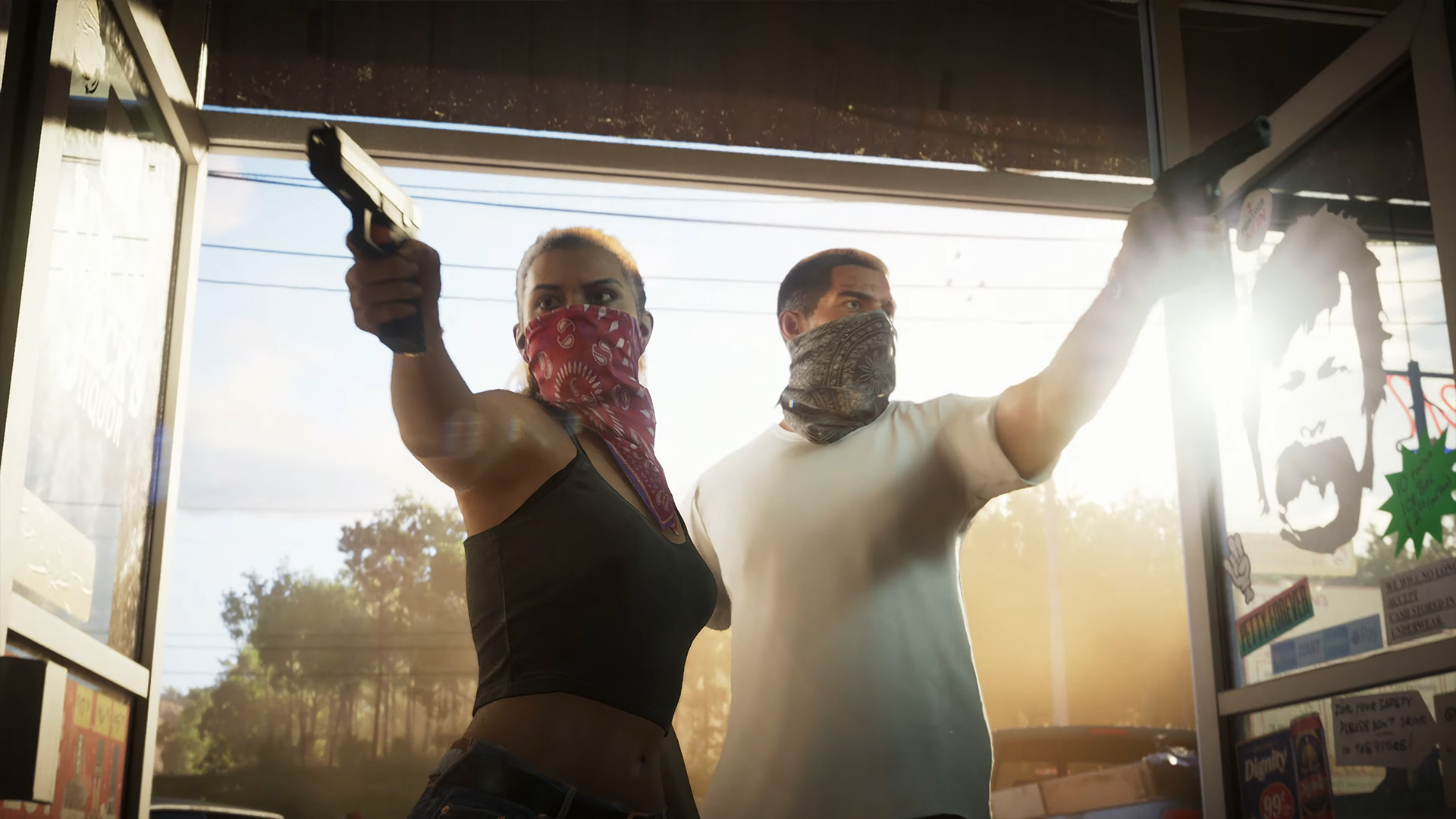
I forgot there's more than one way for games to leak – and one of them is much more unpredictable...
Digital-only is not the safety net or quick anti-leak fix that I thought it would be. In this case, it may have been an instigator that shows the magnitude of its unpopularity.
I'm not saying the Cyberleek attack will make Rockstar backtrack. Thieves are here to stay, and there's little a plastic CD can do to stop it. But if the footage was attained through server hacking, it would serve as a reminder of how fallible and unsecure the digital realm itself is – which, I guess, was Cyberleek's completely illegal point.
Whether it's a crypto scam of dramatic proportions or a genuine threat to GTA 6 ahead of its Netflix preview (an alleged Rockstar insider on Resetera says the footage is a year old, so who knows how much of it is legitimate), the GTA 6 hack sends an entirely different message compared to what happened at Insomniac. If money is not the object here, it's clear that physical games are now considered equally as valuable to some. Including, apparently, cyberattackers.